Table of Contents
- Introduction: The Evolution of Urban-to-Trail Jacket Design
- Understanding Technical Fabric Composition and Performance Standards
- Outer Shell Materials: Weatherproofing Technology Explained
- Insulation Methods: From Synthetic to Down Fill Technologies
- Inner Lining and Moisture Management Systems
- Seam Construction and Durability Engineering
- Collar and Cuff Design for Comfort and Protection
- Pocket Placement and Functional Design Elements
- Testing Standards and Real-World Performance Validation
- Care and Maintenance for Long-Term Jacket Longevity
- Conclusion: Choosing the Right Jacket for Your Adventures
- Frequently Asked Questions (FAQ)
Introduction: The Evolution of Urban-to-Trail Jacket Design
A decade ago, a waterproof jacket built for big mountain storms rarely doubled as an everyday layer for the train platform or a crowded city street. Today’s urban-to-trail outerwear bridges that gap, merging technical face fabrics, refined patterning, and low-bulk insulation with silhouettes and colors suited to daily life. This shift is driven by the Active Explorer—people who expect one piece to handle weather shifts, varied activity levels, and a packed schedule.
At the heart of this evolution are advances in jacket materials and construction. Lightweight membranes pair with quieter, more durable face fabrics. Insulations are mapped by zone to balance warmth and mobility. Details—from seam taping to collar shaping—are engineered to protect, but also to feel comfortable when the weather calms down. The North Face has pushed this versatility through athlete testing and performance fabric innovation, adapting expedition-grade concepts to city-ready designs that still hold up on a high ridge.
This article walks through the technical choices that matter—what you can see, what you can’t, and how they work together. If you’re evaluating weather-resistant outerwear for mixed environments, understanding fabric architecture, finishes, and build quality will help you select a jacket that performs year-round without compromise.
Understanding Technical Fabric Composition and Performance Standards
Every jacket begins with fiber selection and yarn engineering, which drive durability, drape, and weight before a membrane or coating is ever added. Nylon 6,6 yarns offer high tenacity and abrasion resistance; polyester resists UV and often dries faster. Many modern shells blend recycled yarns to reduce impact without sacrificing performance when combined with robust weaves.
Core fabric variables:
- Yarn size and strength: Measured in denier (D) or tex; 20D–40D ripstop is common for lightweight shells, while 70D–100D face fabrics suit heavier-duty abrasion zones.
- Weave structure: Plain weave for balanced durability and hand; ripstop introduces grid reinforcement against tears; double-weave (softshell) provides a smooth exterior with a lofted interior for breathability and stretch.
- Mechanical stretch vs. elastane: Crimped or textured yarns add give without spandex, aiding recyclability and long-term stability.
Key performance metrics to compare:
- Waterproofness: Often reported as hydrostatic head in millimeters (mm). Around 10,000 mm suits everyday rain; 20,000–28,000 mm handles prolonged, high-pressure exposure.
- Breathability: Expressed as MVTR (g/m²/24h) or RET (resistance to evaporative transfer; lower is better). Highly aerobic use benefits from RET < 6 or MVTR above ~20,000 g/m²/24h.
- Wind resistance: Air permeability measured in CFM (cubic feet per minute). Hardshells approach 0 CFM; softshells allow controlled airflow (e.g., 5–20 CFM) for thermal comfort.
- Abrasion and tear: Martindale or Taber abrasion tests indicate fabric longevity; higher cycles mean better resistance.
- Water repellency: AATCC 22 spray test rates how well the face fabric sheds rain; durable water repellent (DWR) finish quality and longevity are crucial.
These standards provide a common language. For real-world selection, match the metrics to your climate and activity level, and remember that patterning, venting, and layer integration can be as influential as a lab value in how a jacket feels during a fast hike or a wet commute.
Outer Shell Materials: Weatherproofing Technology Explained
The outer shell provides first-line defense against wind-driven rain and wet snow. Most weatherproof shells use a laminate or coating system layered with a protective face fabric and an interior backer.
Common constructions:
- 2-layer (2L): A face fabric bonded to a waterproof membrane, plus a free-hanging liner for comfort. Quiet and often warmer due to the liner, making it a good urban-to-trail pick.
- 2.5-layer (2.5L): A face fabric and membrane with a printed or sprayed half-layer on the inside to protect the membrane. Very light and packable; ideal for fast-and-light carry.
- 3-layer (3L): Face fabric, membrane, and a full liner scrim bonded together. Offers the most durable weather protection for sustained use and is the choice for harsh, high-output environments.
Membrane technologies:
- ePTFE (expanded polytetrafluoroethylene): Microporous, highly breathable, and reliably waterproof. GORE-TEX and GORE-TEX Pro are benchmark examples, known for stability across temperature swings.
- PU (polyurethane) hydrophilic: Uses molecular chains to move moisture vapor. Typically softer and sometimes more affordable, with excellent wind and water resistance; breathability varies by formulation.
- ePE (expanded polyethylene) and other new films: Emerging options designed to cut fluorinated materials and improve environmental profiles while maintaining waterproof, breathable performance.
Face fabrics and finishes:
- High-tenacity nylon 6,6 ripstop offers superior tear strength for alpine and bushwhacking scenarios.
- Polyester faces can be more colorfast and quieter, fitting urban aesthetics while still handling trail abrasion.
- DWR chemistry has shifted toward PFC-free formulas. While early versions wore off quickly, modern PFC-free coatings have improved beading and are easier to refresh after washing and tumble-drying.
Softshell alternatives:
- Double-weave softshells trade absolute waterproofness for air permeability and stretch, excelling in cool, dry conditions or stop-and-go movement where dumping heat matters most. They form a key piece in layering system design.

When the objective is maximum storm protection without bulk, alpine-caliber 3L systems stand out. A practical example is a GORE-TEX Pro build tuned for sustained snow and wind exposure, as seen in The North Face’s Summit Series line; the women’s GORE-TEX Pro jacket showcases a face fabric and membrane package optimized for long-term durability and breathability under load. For urban-to-trail versatility, a 2L or 2.5L with mechanical stretch and a quieter face often strikes the best balance.
Insulation Methods: From Synthetic to Down Fill Technologies
Insulation strategies determine warmth-to-weight, packability, and performance in damp conditions. Many urban-to-trail jackets are uninsulated shells, but insulated options extend the comfort range and reduce reliance on midlayers.
Down insulation:
- Fill power indicates loft and warmth potential; 700–900 fill down provides exceptional thermal efficiency with minimal weight.
- Construction matters: Sewn-through baffles are lighter and more compact but can create cold spots; box-wall baffles preserve loft by preventing compression across stitch lines, ideal for colder conditions.
- Hydrophobic treatments help down resist moisture uptake, retaining loft in humid conditions; responsible sourcing programs like RDS (Responsible Down Standard) verify animal welfare practices.
Synthetic insulation:
- Staple fibers (e.g., PrimaLoft) mimic down clusters, offering better wet-weather performance and faster dry times. They’re often used in zoned applications to manage moisture near the shoulders and cuffs.
- Continuous filament (e.g., Climashield-type) uses long strands that resist migration and can be more durable through repeated compression.
- Sheet-style insulations deliver even warmth and reduce cold spots; loose-fill synthetics feel plusher and compress easily but require careful baffle design.
Hybrid and mapped solutions:
- Body mapping places down at the core for maximum warmth while using synthetic panels in moisture-prone areas—hood, shoulders, hem—to maintain performance if rain or sweat enters the system.
- Fleece and gridded knits can serve as low-bulk, high-breathability panels in zones of constant movement.
Quantifying warmth:
- Clo values approximate thermal insulation; more clo equals more warmth at rest. Consider the temperature range you plan to use the jacket in and whether you run warm or cold.
A practical example of lightweight down performance tuned for mountain movement is the men’s Summit Series Breithorn Hoodie. It demonstrates how high-fill down in an optimized baffle layout achieves notable warmth with minimal penalty in weight or pack space—useful traits whether you’re stashing a layer for a cold ridge or stepping out into a winter commute.
Inner Lining and Moisture Management Systems
If the shell blocks weather and insulation traps heat, the lining manages comfort by protecting membranes and moving sweat away from the skin. On 3L shells, this inner scrim shields the membrane and reduces cling during high-output movement. On 2L jackets, a separate liner (taffeta, mesh, or brushed tricot) improves next-to-skin feel and adds a modest buffer of air for thermal stability.
Common lining materials and roles:
- Nylon taffeta: Smooth, quiet, and snag-resistant—ideal for sleeves to keep midlayers sliding freely.
- Tricot or brushed knits: Softer hand for collars and chin guards; adds comfort in cold and reduces irritation.
- Mesh: Lightweight, promotes airflow, and works well as a drop liner in the torso for sweat management.
- Protective scrims in 3L laminates: Designed to prevent abrasion to the membrane from the inside while aiding moisture vapor transport.
Moisture movement relies on:
- Capillarity: Wicking yarns and finishes spread sweat over a larger surface area to evaporate faster.
- Chemical finishes: Hydrophilic treatments draw moisture into fibers, and hydrophobic treatments repel liquid while retaining vapor flow pathways.
- Knit structure: Open, grid, or micro-pique knits create channels for vapor to escape and minimize cling.
Anti-odor and antimicrobial treatments can control odor build-up in everyday use, especially in humid climates. The North Face’s approach to moisture management often integrates body-mapped wicking zones in high-sweat areas and uses proprietary technologies (such as FlashDry in base layers and liners) to speed evaporation. In practice, the interplay between liner materials and pit zips or core vents can make a shell feel dramatically cooler during city cycling or sustained ascents.
Seam Construction and Durability Engineering
Strong fabric is only half the story; long-term performance depends on how panels are joined and reinforced. Seams concentrate stress, invite water ingress, and often mark the first points of failure in poor builds.
Stitching fundamentals:
- Stitch type and density: Appropriate stitches-per-inch (SPI) prevents seam creep while avoiding over-perforation of the fabric. Technical shells commonly use a medium SPI with strong thread to balance strength and waterproof taping compatibility.
- Seam allowances: Enough margin is left to support taping and prevent pull-through under load.
- Critical reinforcement: Bar tacks at pocket openings, hem drawcord exits, and hood adjusters increase tear resistance. Box-and-X patterns stabilize harness-load points.
Waterproof seams:
- Taped seams: Heat-applied adhesive tapes (commonly 13–22 mm wide) seal needle holes on hardshells. Narrow tapes reduce bulk and maintain flexibility in articulated areas like the shoulders and elbows.
- Bonded seams: Ultrasonic welding or adhesive bonding eliminates needle holes entirely, common on softshells and select waterproof panels. Bonding can reduce weight and bulk but typically requires precise temperature and pressure control in production.
Wear mapping and overlays:
- High-abrasion overlays at shoulders, elbows, and hipbelt contact zones extend the life of lighter face fabrics without overbuilding the entire jacket.
- Laminated film reinforcements create a smooth profile for less snagging compared with stitched-on patches.
Pattern engineering:
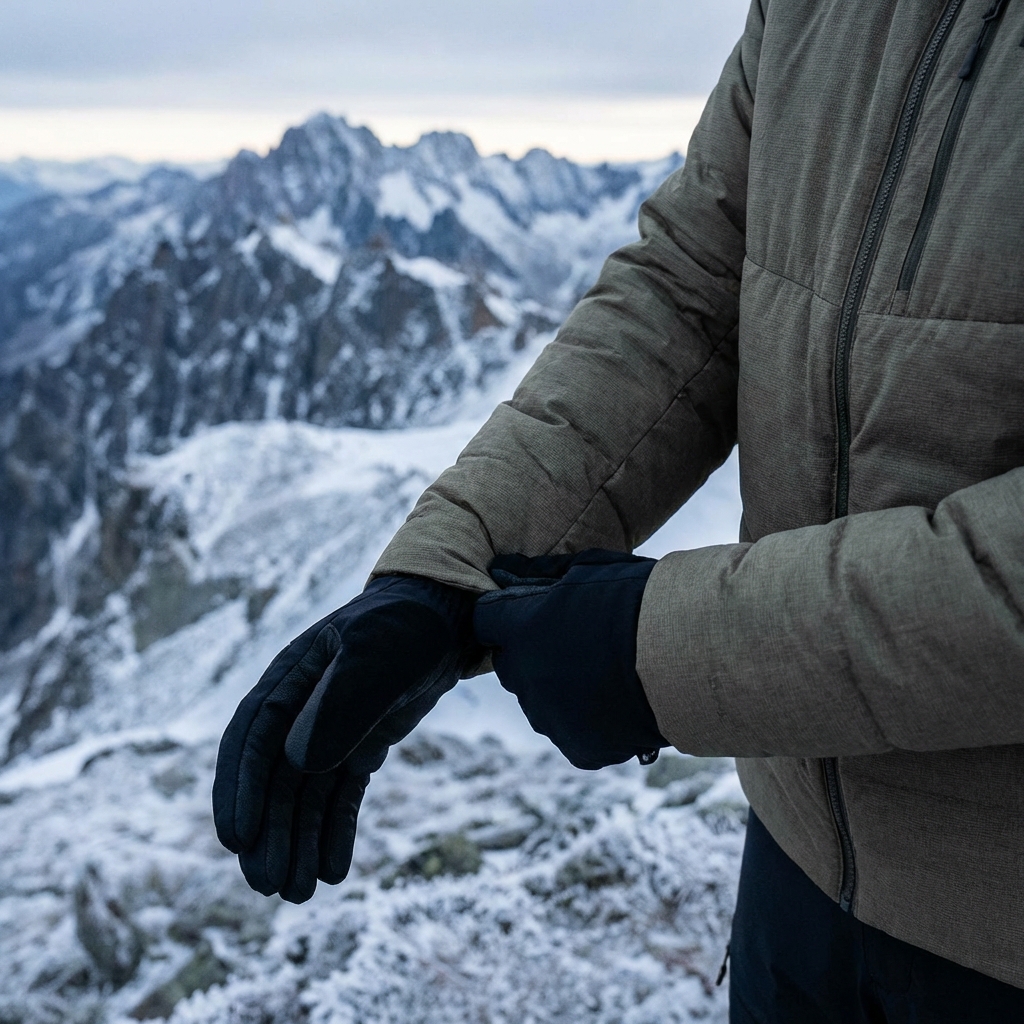
- Articulated elbows, underarm gussets, and rotated shoulder seams guard against backpack strap rub and preserve range of motion.
- Fewer seams in storm-prone areas (e.g., a yoke panel across the shoulders) reduce ingress points while giving a cleaner look suitable for city wear.
Durable apparel construction blends all these techniques into a clean interior and low-bulk exterior. When inspecting a jacket, turn it inside out: consistent tapes, tidy seam-ends, and robust reinforcements are strong predictors of how it will fare after seasons of use.
Collar and Cuff Design for Comfort and Protection
Small design details around the collar, hood, and cuffs often determine whether you reach for a jacket every day. These zones seal out wind and water, interface with hats and gloves, and protect the face from chafe.
Hood and collar considerations:
- Collar height and shape: A taller, structured collar shields the neck and lower face in crosswinds. Look for a soft chin guard with brushed tricot or microsuede to reduce rubbing.
- Brim structure: A laminated or wired brim keeps precipitation off your face and maintains shape in gusts.
- Adjustments: Dual or tri-cord systems (front pulls and a rear volume adjuster) customize fit with or without a beanie or ball cap. Helmet-compatible hoods maintain mobility and vision when layered over a climbing or ski helmet.
- Stowable or low-profile hoods: For urban-to-trail flexibility, a hood that lies flat without bulking behind the neck helps under a backpack or over a blazer.
Cuffs and wrist gaskets:
- Hook-and-loop tabs fine-tune glove interface and seal out drafts; look for clean edges and secure bartacks.
- Internal storm gaiters or soft stretch knit cuffs add comfort and prevent snow or cold air from creeping inside. Thumb loops can assist layering without bunching.
- Glove-friendly pulls and molded components make winter adjustments easier.
Hem systems:
- Single- or dual-sided drawcords with low-profile cord locks allow asymmetric tightening against wind. Hem shaping (a slight drop-tail) protects the lower back on a bike commute or a steep approach.
The right collar and cuff package should feel invisible until the weather turns. A jacket that moves quietly, seals quickly, and avoids pressure points at the jaw and wrists will be the one you trust across seasons.
Pocket Placement and Functional Design Elements
Pocket architecture reflects a jacket’s intended use. Urban-to-trail designs combine streamlined exterior storage with technical access under a backpack or climbing harness.
Common pocket types and placements:
- Hand pockets: Fleece-backed for warmth; often set higher to clear hipbelts. A smooth zipper garage prevents chin and jaw abrasion when fully zipped.
- Napoleon/chest pockets: Easy to reach with a pack on; ideal for a phone, map, or transit card. Laminated construction reduces bulk and visual clutter.
- Interior dump pockets: Elasticized, oversized mesh pockets hold skins or gloves; they dry damp items using body heat.
- Sleeve pocket: Useful for lift passes or small tools in snow environments; typically water-resistant with a hidden zipper track.
Hardware and construction:
- Water-resistant zippers (e.g., polyurethane-coated coil zippers) reduce the need for external storm flaps while keeping a slim profile. For severe weather, an external storm flap with structured snaps or Velcro provides redundancy.
- Two-way center-front zippers improve fit when seated on a bike or train and offer quick venting from the hem up.
- Pit zips and core vents deliver on-demand airflow without exposing the torso to rain. Mesh-lined versions provide debris and bug protection on shoulder season hikes.
- Reflective elements and low-profile piping add visibility in urban settings with minimal aesthetic impact.
Functional extras that matter:
- RECCO reflectors on mountain-focused pieces can support organized rescue in avalanche-prone regions.
- Media ports and routed cable loops keep earbuds tidy during commutes.
- Minimalist gaiter-compatible powderskirts and snap systems in snowsport models maintain snow protection without constant bulk.
Smart pocketing and venting transform a protective shell into a daily essential, letting you adapt storage and airflow in seconds as you move from a wet sidewalk to a steep, muddy trail.
Testing Standards and Real-World Performance Validation
Lab metrics are only part of the picture. Trusted outerwear teams validate material claims through standardized tests and targeted field use to ensure the finished jacket behaves as intended.
Common lab standards:
- Waterproofness: AATCC 127 or ISO 811 hydrostatic head tests quantify water penetration under pressure.
- Spray testing: AATCC 22 evaluates DWR performance and beading.
- Breathability: ASTM E96 and JIS L 1099 measure moisture vapor transmission; ISO 11092 (RET) assesses evaporative resistance via a sweating hotplate.
- Air permeability: ASTM D737 tests wind resistance, crucial for softshell comfort ranges.
- Abrasion and tear: Martindale or Taber indicate fabric and print durability; ASTM D1424 covers tear resistance for woven fabrics.
- Thermal insulation: ISO 15831 uses a thermal manikin to assess clo values of complete garments.
Prototyping and field testing:
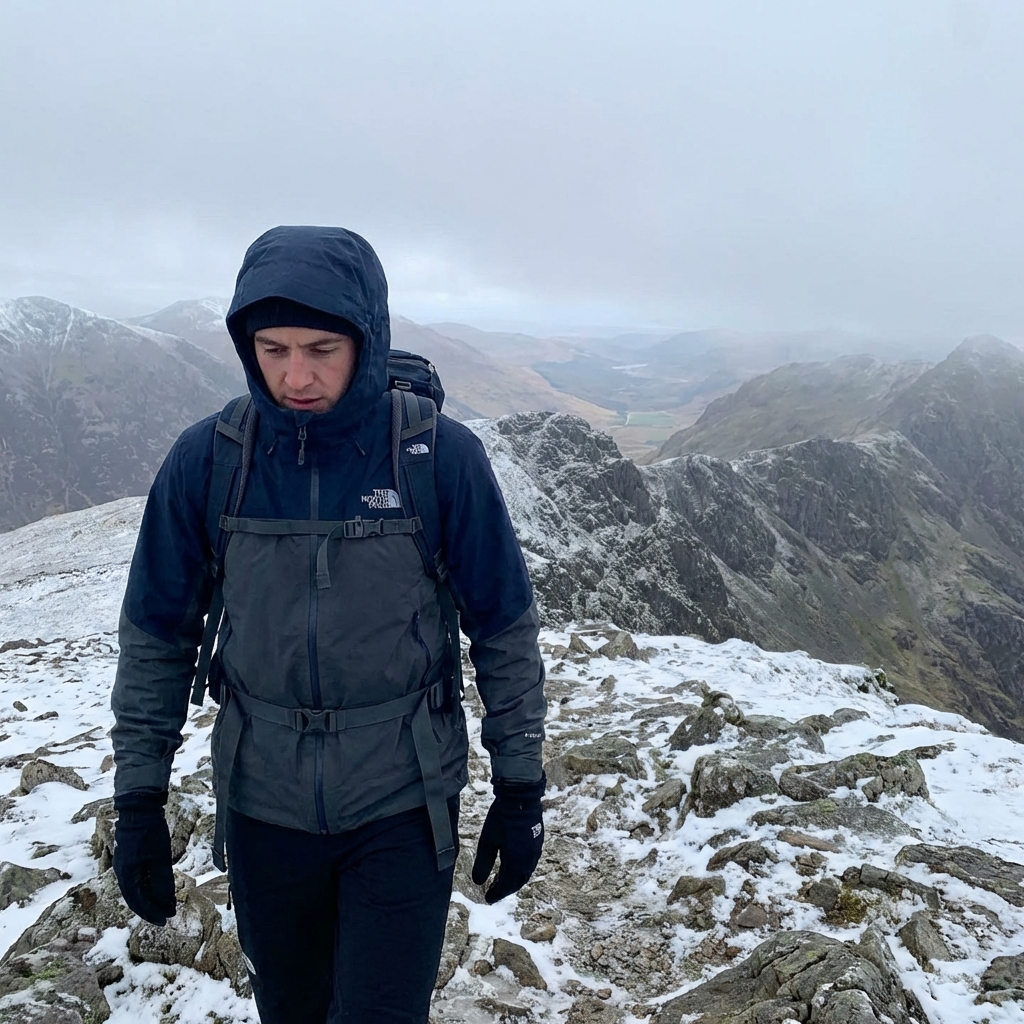
- Athlete feedback loops: Professional climbers, runners, and guides test pre-production runs to surface issues—zipper pull ergonomics with gloves, hem lift when reaching overhead, or collar chafe after a full day.
- Environment-specific trials: Rain towers, cold rooms, and wind tunnels simulate harsh conditions; mixed-weather hikes and bike commutes evaluate noise, drape, and breathability in real life.
- A/B comparisons: Swapping membranes or face fabrics on otherwise identical patterns reveals the true performance gains of material choices.
The North Face’s Summit Series approach exemplifies how expedition-grade validation informs consumer-ready designs. When a shell holds up to repeated pack carry on granite or maintains breathability in storm skiing, the same jacket materials and construction principles translate into reliable protection on a city-to-trail day with variable weather.
Care and Maintenance for Long-Term Jacket Longevity
Even the best-engineered jacket depends on routine care to preserve waterproofing, breathability, and loft. A few deliberate habits extend lifespan and keep performance predictable.
Care basics for shells:
- Wash regularly: Dirt and body oils clog DWR and membranes. Use a technical detergent (free of fabric softeners) on a gentle cycle with cold or warm water. Rinse thoroughly.
- Reactivate DWR: Tumble-dry low or medium heat if the care label allows. Heat helps restore water beading on PFC-free coatings. Periodically refresh with a spray-on or wash-in reproofing product.
- Avoid softeners and bleach: They impair wicking and membrane performance.
- Dry completely: Hang dry if unsure about heat; store only when fully dry to prevent mildew.
Insulated jacket care:
- Down: Wash with down-specific cleaners. Rinse well, then tumble-dry low with clean dryer balls until loft is fully restored; this can take several cycles. Store uncompressed to maintain baffle volume.
- Synthetic: Similar wash routine, but they dry faster and are less sensitive to compression. Still, avoid long-term storage in stuff sacks.
Field repairs and proactive maintenance:
- Patch small nicks: Apply purpose-made repair patches or tape to stop snags from spreading, especially on high-tenacity shells.
- Maintain zippers: Clear grit with a soft brush; occasional zipper lubricant prevents sticking and prolongs coil life.
- Retire compromised seam tape: If tape peels in isolated areas, a reputable repair shop can re-tape panels and extend service life.
Sustainability-minded options:
- Reuse and repair first: Extending a jacket’s life reduces impact more than almost any material change.
- Consider resale programs: The North Face Renewed initiative refurbishes and resells pre-owned gear, keeping high-quality products in circulation and out of landfills.
- Thoughtful upgrades: When you do replace a jacket, choose versatile builds that cover more use-cases, reducing the total number of garments needed.
With routine washing and mindful storage, performance fabrics deliver consistent protection for years, making them a smarter long-term investment.
Conclusion: Choosing the Right Jacket for Your Adventures
Versatile weather-resistant outerwear thrives on balance. The right jacket aligns materials, patterning, and features to your climate, pace, and packing preferences—and does so with a silhouette you’ll wear daily. Use the framework below to translate lab specs and design details into confident selection.
Decision checkpoints:
- Environment: Frequent heavy rain and wind favor 3L hardshells with robust face fabrics; intermittent showers and urban wear may be better served by 2L or 2.5L builds that are quieter and more supple.
- Activity level: High-output movement calls for superior breathability (low RET/high MVTR) and venting; low-output, cold conditions benefit from higher-loft insulation and windproofing.
- Insulation plan: If you run hot or want year-round flexibility, choose an uninsulated shell and manage warmth with modular midlayers. If simplicity matters, an insulated shell with mapped synthetic and/or high-fill down streamlines the system.
- Fit and articulation: Try the jacket with your typical layers. Raise your arms, shoulder a pack, and sit on a bike; the hem, cuffs, and collar should stay sealed without pulling.
- Construction quality: Inspect seam taping, reinforcement at stress points, and zipper smoothness. Clean interiors and consistent tapes indicate careful build practices.
- Long-term care: A jacket that tolerates regular washing and easy DWR renewal will maintain performance longer, especially in gritty urban settings.
The North Face has long translated alpine-grade insights into approachable designs for modern explorers, combining technical fabric technology with durable apparel construction that stands up to both commute and summit days. Whether you lean toward a storm-ready 3L shell like a GORE-TEX Pro build, a packable 2.5L for spring squalls, or an insulated piece similar in spirit to the Breithorn’s high-loft efficiency, prioritize jacket materials and construction that are honest about their strengths.
Put simply: select a shell that fits your weather reality, choose insulation that matches your metabolism, and commit to basic care. Done right, one jacket can carry you from wet sidewalks to windy ridgelines with the confidence that every seam, zipper, and panel is working quietly in your favor.
Frequently Asked Questions (FAQ)
How can I tell if a jacket’s shell is truly weatherproof and breathable?
Check hydrostatic head (waterproof) and breathability ratings. For frequent downpours and mixed activity, aim for 20,000 mm+ waterproof and 15,000 g/m²/24h MVTR or RET ≤ 13, with fully taped seams and a durable water repellent (DWR) finish. A 3-layer fabric usually offers better long-term durability than 2- or 2.5-layer options. For light city rain, lower ratings can suffice and may feel less clammy.
Should I choose down or synthetic insulation for urban-to-trail use?
Down delivers the best warmth-to-weight and compressibility; look for fill power 700+ for cold, dry conditions. Synthetic insulation retains warmth when damp, dries faster, and handles stop-and-go activity or wet climates better; compare by grams-per-square-meter weight. If you often encounter rain or sweat heavily, choose synthetic or a hybrid; if you prioritize packability for dry cold, choose down.
What maintenance keeps technical jacket materials performing longer?
Wash with a technical cleaner, close zips and hook-and-loop, and avoid fabric softeners; then tumble dry low to reactivate DWR. Reapply a spray-on or wash-in DWR after 3–5 washes or when water stops beading. For down pieces, tumble dry low with clean dryer balls to restore loft; store uncompressed and repair small tears promptly with adhesive patches to prevent fabric damage.
Leave a Reply