Table of Contents
- Introduction: Why Proper Layering Matters for Outdoor Performance
- Understanding the Three-Layer System: Base, Mid, and Outer Layers
- Base Layer Essentials: Moisture-Wicking Foundation for Comfort
- Mid-Layer Strategy: Insulation and Breathability Balance
- Outer Layer Protection: Weatherproofing Your Adventure
- Transitioning from Urban to Trail: Layering Flexibility
- Temperature Regulation: Adjusting Layers for Changing Conditions
- Material Selection: Technical Fabrics That Perform
- Practical Layering Outfits: Urban Commute vs. Backcountry Hiking
- Common Layering Mistakes and How to Avoid Them
- Maintenance and Care for Long-Lasting Layered Gear
- Conclusion: Building Your Versatile Layering System
- Frequently Asked Questions (FAQ)
Introduction: Why Proper Layering Matters for Outdoor Performance
Layering is the simplest, most reliable way to regulate body temperature, manage sweat, and stay protected from the elements. Whether you’re moving between a chilly metro platform and a heated office or pushing toward a windy ridgeline, the right combination of layers creates a stable microclimate around your body. Done well, it prevents overheating during exertion and chills during rest—two of the biggest performance killers outdoors.
This layering guide for jackets and apparel is built for the Active Explorer—someone who wants a system that performs in high-output situations yet still looks at home in the city. Inspired by the technical approach of The North Face, it integrates proven materials and design details you’ll find in modern, performance-driven gear. By the end, you’ll know how to layer for hiking, for urban commutes, and for trips that include both.
Understanding the Three-Layer System: Base, Mid, and Outer Layers
Most outdoor professionals rely on a simple, flexible framework: base, mid, and outer layers. Think of them as a system rather than standalone pieces. Each plays a distinct role and must work together.
- Base layer: Wicks moisture away from your skin to keep you dry and comfortable.
- Mid layer: Traps heat while allowing moisture to move outward.
- Outer layer: Shields you from wind, rain, snow, and abrasion.
A technical layering system is modular. You might skip the mid layer on a warm, breezy run, or wear two mid layers beneath a hardshell in frigid alpine wind. The point is adaptability. Urban trail clothing layers follow the same logic: wear a breathable base on the subway, deploy an insulated mid outside, and add a weatherproof shell only when the forecast demands.
Base Layer Essentials: Moisture-Wicking Foundation for Comfort
Your base layer sets the tone for the day. It should pull perspiration off your skin quickly, spread it across the fabric surface, and dry fast. If sweat lingers next to your body, even warm temperatures can feel chilly when you stop moving.
Key decisions for base layers:
- Fabric: Synthetic blends (polyester/nylon with elastane) excel at fast moisture transfer and durability. Merino wool regulates temperature exceptionally and resists odor, making it ideal for travel and multi-day trips.
- Weight: Lightweight for high-output activities or mild temps; midweight for cool conditions; heavyweight or a dual-layer approach for deep winter.
- Fit: Close but not compressive. Too tight restricts airflow and comfort; too loose diminishes moisture transport.
- Construction: Flatlock seams reduce chafing. Zip-neck tops add ventilation options without removing layers.
For athletes prioritizing versatility, synthetics remain a year-round staple. Merino stands out among the best base layers for cold weather because its fibers insulate even when damp and naturally moderate body temperature. A long-sleeve crew or zip-neck top forms the most adaptable foundation; thumb loops and a drop tail add coverage under packs.
If you want a sleek, performance-forward base that also transitions well to city wear, consider a streamlined long sleeve with stretch and quick-dry properties. The North Face x SKIMS Refina long sleeve top illustrates the kind of fitted, moisture-wicking first layer that sits comfortably under mid layers without bulk.
Mid-Layer Strategy: Insulation and Breathability Balance
The mid layer is your thermostat. Its job is to trap warm air while letting sweat vapor escape. Pick the wrong mid layer and you’ll either freeze when you stop or overheat on the move.
Common mid-layer categories:
- Fleece: Durable, breathable, and reliable. Grid and waffle fabrics (often seen in alpine collections) move moisture faster and weigh less than classic pile fleece.
- Active synthetic insulation: Designed for stop-and-go movement, it breathes more than traditional puffy jackets yet provides warmth when you pause at the overlook.
- Down insulation: Exceptional warmth-to-weight and compressibility for very cold, dry conditions; less ideal in persistent wet unless carefully protected by a shell.
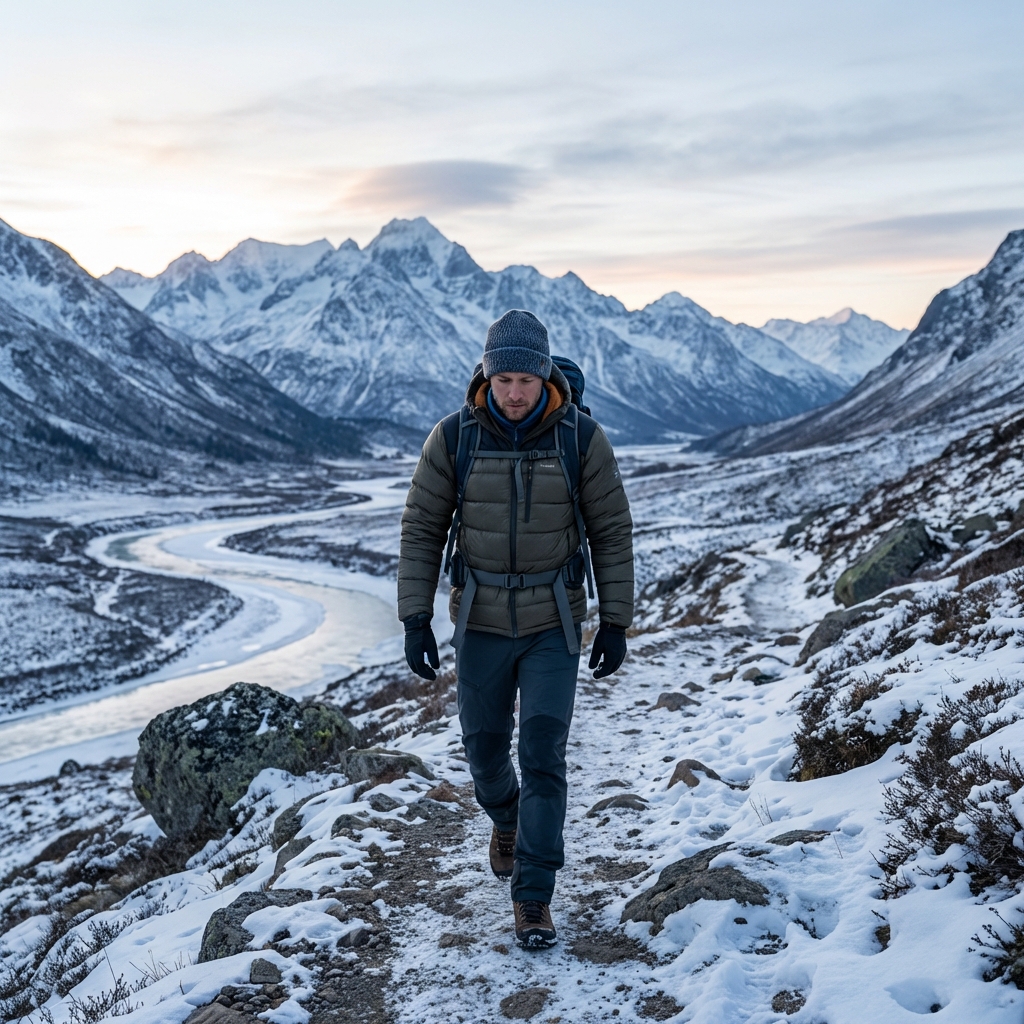
Match insulation to activity and conditions:
- High-output hikes or runs: Lightweight grid fleece or low-loft active insulation. Full-zips and mesh-lined pockets add venting when you heat up.
- All-day trails with frequent stops: Mid-loft synthetic insulation that balances warmth and breathability. If wind picks up, pair with a light shell.
- Layering for extreme conditions or cold belays: A high-loft down or hybrid mid layer packs heavy heat. Keep it accessible near the top of your pack.
Construction details matter. Stitch-through baffles reduce weight and bulk; box baffles boost loft and warmth for true cold snaps. A helmet-compatible hood minimizes heat loss, while stretch cuffs and hemlines seal out drafts. For a compact but alpine-ready option, a piece like The North Face Summit Series Breithorn Hoodie exemplifies warm-when-needed, packable insulation that layers smoothly under a shell.
Outer Layer Protection: Weatherproofing Your Adventure
The outer layer is your weather defense and abrasion barrier. It should block wind and precipitation while allowing moisture from inside your system to escape. You’ll generally choose between hardshells and softshells.
- Hardshells: Best for sustained rain, wet snow, and harsh wind. Look for fully taped seams, durable face fabrics, and a proven waterproof-breathable membrane. Three-layer (3L) shells pair a face fabric, membrane, and backer for durability and comfort in rugged use. Features like pit zips, two-way front zippers, and articulated sleeves extend comfort and range of motion.
- Softshells: Stretchy, breathable, and comfortable for cold, dry conditions or light precipitation. Many are wind resistant and shed snow, but they’re not a substitute for true waterproof protection in all-day rain.
Weatherproofing checkpoints:
- Waterproof-breathable ratings: While lab numbers vary, prioritize trustworthy membranes and complete seam sealing.
- DWR finish: A durable water-repellent treatment helps precipitation bead up rather than saturate the face fabric. Reapply and maintain DWR for consistent performance.
- Ventilation: Core vents, pit zips, or mesh pocket bags help dump heat quickly on climbs.
- Fit: Ensure room for base and mid layers without excess fabric that flaps in wind. Adjustable cuffs, hems, and hoods customize the seal.
For winter storms or shoulder-season downpours, a 3L shell remains the gold standard. In urban contexts, a quieter, matte face fabric blends in while still delivering function. On the trail, prioritize freedom of movement and pack compatibility (helmet-friendly hood, harness-friendly pockets). This is the jacket that makes your layering guide for jackets complete.
Transitioning from Urban to Trail: Layering Flexibility
Modern explorers often need one system to handle morning commutes and weekend trails. Choose pieces that deliver technical performance with a clean silhouette.
Urban-first considerations:
- Low-bulk profiles slip under blazers or over office wear.
- Neutral colors pair easily with your wardrobe and show less grime.
- Quiet face fabrics and soft knits feel at home indoors.
Trail-first considerations:
- Reinforced zones (shoulders/hips) handle pack straps and abrasion.
- Helmet-compatible hoods and harness-friendly pockets add versatility.
- Packability matters: stash a mid layer or shell in a daypack when the forecast shifts.
Where they overlap:
- Breathable base layers work in both contexts. A merino or synthetic long sleeve regulates temperature from train to trail.
- Active insulation doubles as an everyday jacket and a mountain-ready mid layer.
- A lightweight, compressible hardshell disappears in your bag but shines when wind or rain picks up.
Footwear and packs bridge the gap too. Grippy outsoles with clean uppers transition from sidewalks to light trails, and minimalist daypacks with laptop sleeves protect gear during the week and carry layers on Saturday. The North Face’s approach—technical outerwear, durable backpacks, and activity-specific gear—makes it practical to build one coherent wardrobe instead of two separate kits.
Temperature Regulation: Adjusting Layers for Changing Conditions
The heart of layering is regulation, not just warmth. You want to keep your “engine” at an even idle.
Practical strategies:
- Start cool: Begin moving slightly cool to avoid sweating early. Overheating at the trailhead leads to damp layers and later chills.
- Vent early and often: Open zippers as soon as you feel hot—collar, pit zips, pocket vents. Unclasp cuffs and loosen hems to promote airflow.
- Manage stops: Add a warm mid layer or belay jacket immediately when you pause. Trapping heat early prevents rapid cooling.
- Use accessories: Beanies, headbands, neck gaiters, and liner gloves fine-tune comfort with minimal bulk. They pack small and adjust fast.
- Sequence matters: For steep climbs, consider breathable softshells or strip to a base and light fleece; for windy ridgelines, deploy the shell even if skies are clear.
Environmental variables:
- Windchill: Increases convective heat loss—windproof shells matter.
- Humidity: Slows sweat evaporation. Favor high-wicking bases and ventilated shells.
- Altitude: Cooler temps and stronger sun call for adaptable coverage—light layers, sun hoodies, or visors work well.
- Precipitation type: Wet snow and cold rain demand waterproof shells and synthetic mid insulation that tolerates moisture.
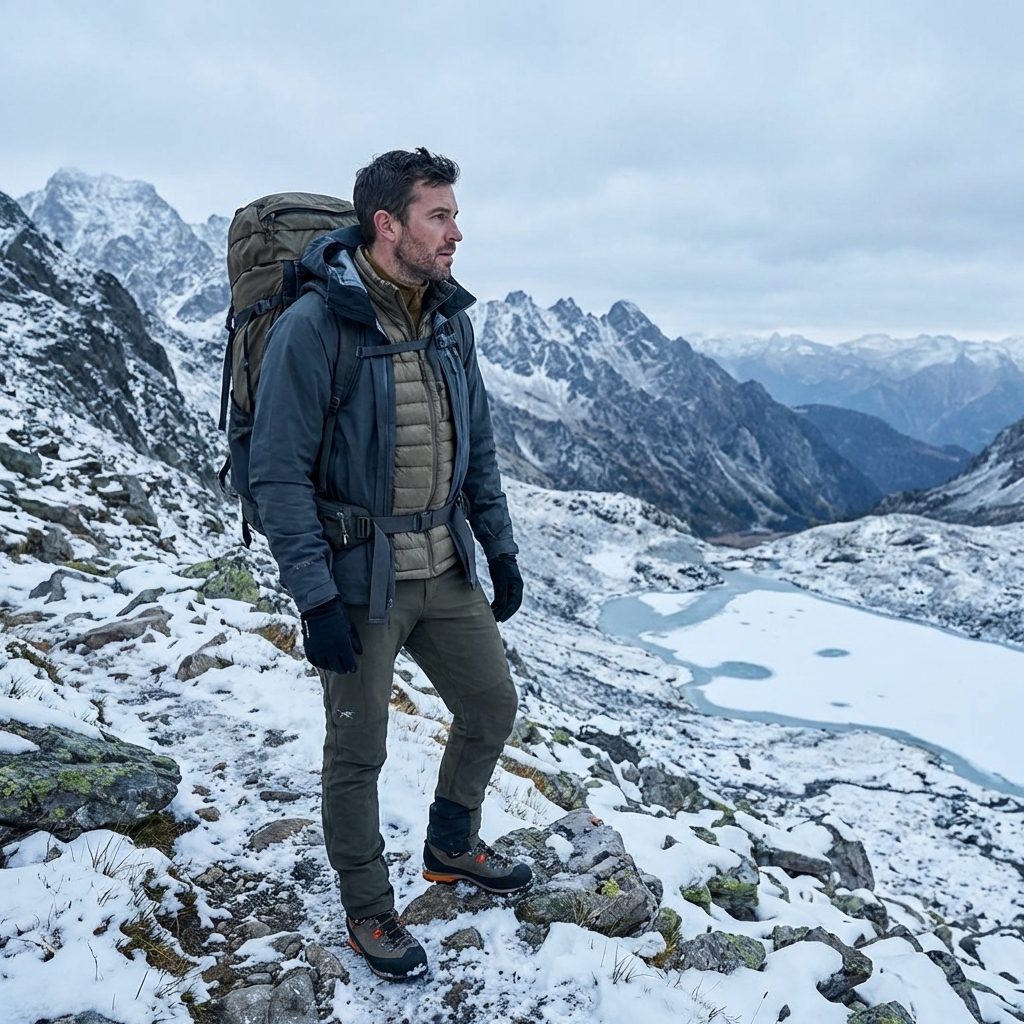
Anticipation is key. Check the forecast, map elevation changes, and plan your technical layering system accordingly. The more dynamic the conditions, the more you’ll rely on ventilation, zip-necks, and quick-on mid layers.
Material Selection: Technical Fabrics That Perform
Materials define performance. Understanding fibers and constructions helps you choose layers that match your environment and effort level.
Base layers:
- Merino wool (17.5–19.5 micron): Excellent thermal regulation, odor resistance, warmth when damp. Blends with nylon add durability.
- Polyester/nylon blends: Fast-drying, abrasion resistant, and affordable. Look for mechanical stretch or elastane for mobility.
- Knit structures: Grid and jacquard patterns enhance moisture spread and airflow.
Mid layers:
- Fleece (classic, grid, high-loft): Breathable and durable. Grid fleece maximizes warmth-to-weight and moisture transport.
- Synthetic insulation (e.g., continuous filament or sheet): Warms even when wet, dries fast, and breathes better in active use; ideal for variable conditions.
- Down (650–900 fill power): Unmatched warmth-to-weight and packability for cold, dry climates. Hydrophobic treatments and baffle design influence real-world performance.
Outer layers:
- Shell membranes: Waterproof-breathable technologies (e.g., ePTFE or PU-based) vary in durability and moisture vapor transmission. Prioritize proven membranes and full seam sealing.
- Face fabrics: Higher denier nylon or nylon 6,6 increases abrasion resistance; ripstop weaves limit tears.
- DWR coatings: PFC-free options are increasingly common and more sustainable; maintain them to keep performance high.
Sustainability considerations:
- Recycled polyester and nylon reduce virgin material use.
- Bluesign- and OEKO-TEX-certified textiles reflect safer chemical management.
- Resale and repair programs extend product life and reduce waste, aligning with a more circular approach to gear.
Practical Layering Outfits: Urban Commute vs. Backcountry Hiking
Bringing it all together, here are clear, adaptable outfits for typical scenarios. Use them as templates and fine-tune for your climate and activity level.
Urban commute (40–55°F / 4–13°C, intermittent drizzle)
- Base: Lightweight synthetic or merino long-sleeve. A trim fit minimizes bunching under a blazer or shell.
- Mid: Low-profile active insulation or thin grid fleece. Full-zip for quick venting on a crowded train.
- Outer: Lightweight 2.5–3L waterproof shell with a quiet face fabric. Packable in a tote or daypack.
- Bottoms: Stretch commuter pant with a DWR finish.
- Accessories: Compact umbrella, liner gloves, and a beanie in the pocket.
- Footwear/Bag: Water-resistant leather or knit hybrid shoes with grippy soles; a sleek daypack with a laptop sleeve.
Urban deep-winter (20–35°F / -6–2°C, wind and flurries)
- Base: Midweight merino or synthetic with a zip neck for indoor venting.
- Mid: Active synthetic insulation jacket or light down under a shell.
- Outer: Windproof, waterproof parka or 3L shell with an insulated hood.
- Bottoms: Thermal tights under lined trousers if needed.
- Accessories: Insulated gloves, wool beanie, neck gaiter.
Shoulder-season hike (35–55°F / 2–13°C, variable sun and wind)
- Base: Lightweight synthetic with high wicking and a half-zip.
- Mid: Breathable grid fleece for the climb; stowable active insulation for summit breaks.
- Outer: Windproof, water-resistant softshell or a light hardshell in the pack.
- Bottoms: Stretch hiking pants with DWR and articulated knees.
- Accessories: Brimmed cap, light gloves, and sunglasses.
Backcountry day hike (25–45°F / -4–7°C, gusty ridge)
- Base: Midweight merino or synthetic to balance warmth and moisture management.
- Mid: Active synthetic insulation, hooded for heat retention at stops.
- Outer: 3L hardshell with pit zips for the ridge and any snow squalls.
- Bottoms: Softshell pants or lined hiking pants; hardshell pants if snow is deep.
- Accessories: Insulated beanie, windproof gloves, spare dry socks.
- Pack notes: Keep your warmest mid layer near the top for quick deployment during breaks.
Winter alpine or snowshoe tour (10–25°F / -12–-4°C, snowfall)
- Base: Heavyweight synthetic or merino plus a thin liner base if you run cold.
- Mid: High-loft synthetic or down jacket for rest periods; breathable fleece for the climb.
- Outer: 3L snow-rated shell with a helmet-compatible hood and powder skirt if skiing.
- Bottoms: Hardshell pants with side zips for venting.
- Accessories: Balaclava, goggles, insulated mittens, vapor barrier socks if extremely cold.
In all scenarios, the same rules apply: start cool, vent early, and adjust layers proactively. These urban trail clothing layers blend function with a clean look, so your system performs from weekday to weekend.
Common Layering Mistakes and How to Avoid Them
Even experienced hikers and commuters make predictable errors. Avoid these pitfalls to keep your system working as intended.
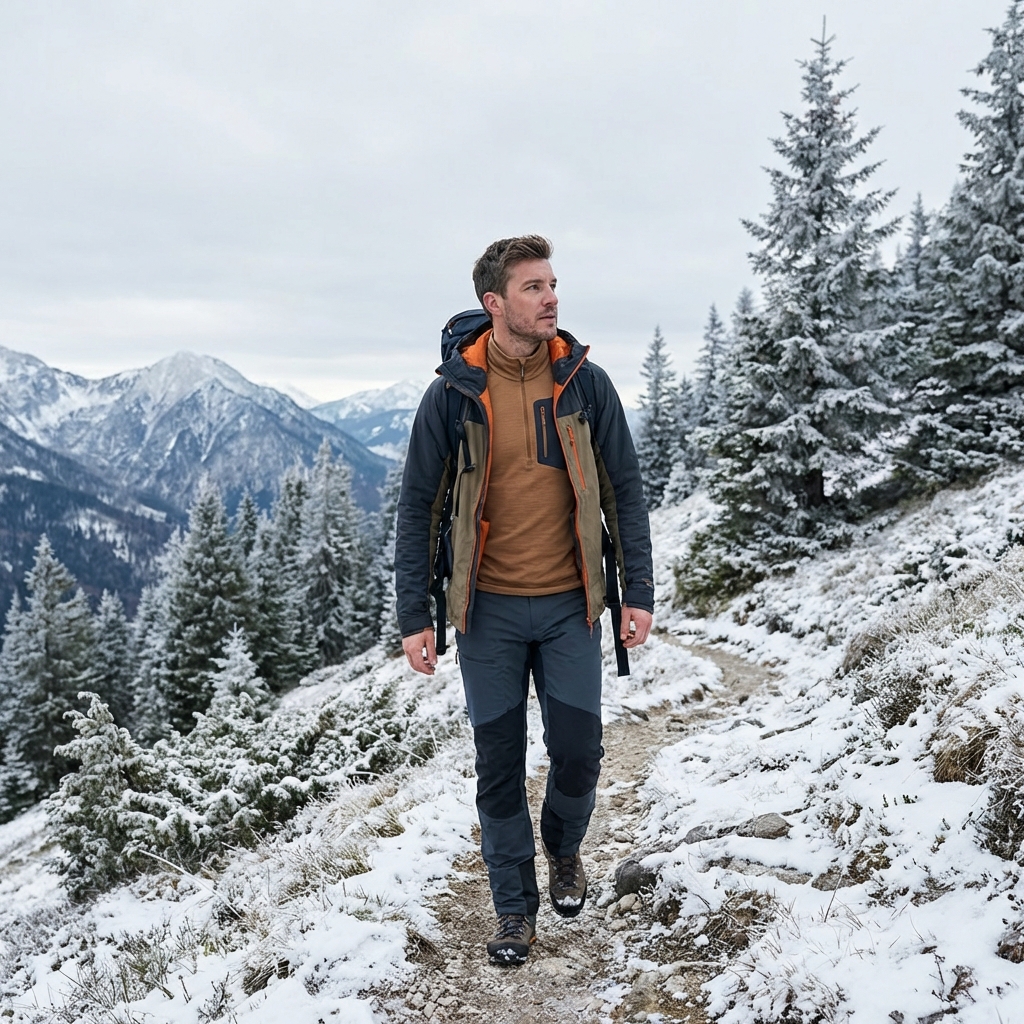
- Wearing cotton next to skin: Cotton holds moisture and chills quickly. Prioritize moisture-wicking synthetics or merino.
- Overinsulating at the start: Starting too warm invites sweat buildup. Begin slightly cool and add layers if needed.
- Ignoring wind: Calm temps can feel frigid with windchill. Always pack a windproof layer for exposed sections.
- Skipping ventilation: Zippers, cuffs, and collars are your tools for fine-tuning. Vent early to stay dry.
- Poor fit and layering order: A base that’s too loose won’t wick; a mid that’s too tight restricts airflow; a shell that’s too small compresses insulation.
- Neglecting the neck, head, and hands: Small accessories have an outsized impact on comfort and heat retention.
- Not adjusting for stops: Put on a warmer layer immediately when you pause to trap residual heat.
- Using the wrong mid-layer type: Down for drizzly forests or heavy sweating can disappoint. Choose active synthetics for damp, high-output days.
- Forgetting the bottoms: Windproof shells or lined pants can be as critical as a shell jacket in winter.
- Not testing your system: Before big trips, wear your layers on shorter outings to confirm comfort and range of motion.
Maintenance and Care for Long-Lasting Layered Gear
Care is performance. Well-maintained layers wick, insulate, and protect as designed—often for years.
Base layers:
- Wash regularly to remove oils and restore wicking. Use mild detergent; skip fabric softeners, which inhibit moisture transfer.
- For merino, use wool-safe detergents and cool water. Lay flat to dry when possible to preserve shape.
Mid layers:
- Synthetic insulation and fleece: Wash in cold or warm water with mild detergent. Tumble dry low to re-loft. Avoid high heat.
- Down insulation: Use down-specific detergent. Rinse thoroughly, then tumble dry low with clean dryer balls to restore loft. Expect a longer dry time.
Outer shells:
- Clean shells to maintain breathability. Dirt and oils clog pores and reduce performance.
- Reactivate DWR by tumble drying on low or applying gentle heat with an iron (check care labels).
- Reapply DWR treatment when water stops beading on the surface.
General best practices:
- Store down and insulated pieces uncompressed to preserve loft.
- Repair small tears promptly with appropriate patches or seam-grip to prevent growth.
- Periodically check seam tape and zippers on shells; address issues early.
- Rotate gear to extend overall lifespan. Consider trusted resale or renewal programs to keep quality gear in use and reduce waste.
Sustainability note: Extending the life of your equipment is the most impactful step you can take. The North Face’s sustainability-focused resale initiatives reflect a broader industry move toward circularity—keeping technical apparel in service longer, reducing resource use, and giving explorers more options to build or refresh a layering kit responsibly.
If you’re assembling a multi-season system or upgrading key pieces over time, loyalty programs such as XPLR Pass can also help you track purchases, receive personalized recommendations, and take advantage of member benefits as you refine your kit.
Conclusion: Building Your Versatile Layering System
A strong layering system blends science and simplicity. Start with a moisture-wicking base to keep skin dry, add an adaptive mid layer to manage warmth, and cap it with a protective shell that shields from wind and precipitation. Use ventilation and accessories to fine-tune, and choose materials matched to your climate and output. This is the essence of a technical layering system—and the backbone of any reliable layering guide for jackets.
From urban commutes to alpine starts, the approach remains the same: anticipate conditions, start a little cool, and adjust proactively. When in doubt, carry one more compact layer than you think you’ll need and practice transitions before you’re exposed on a ridge or in a storm. With the right combination of base, mid, and outer layers—built from durable, breathable, and weatherproof fabrics—you’ll move comfortably and confidently on sidewalks and singletrack alike.
The North Face has long focused on performance-driven design for athletes and modern explorers. As you refine your kit, look for pieces that deliver the comfort you want in the city and the protection you need on the trail. Over time, you’ll build a versatile wardrobe that performs in real weather, adapts across seasons, and supports a lifetime of everyday adventures and ambitious objectives.
Ready for your next adventure? Gear up with apparel and equipment built for the wild. Explore the collection now.
Frequently Asked Questions (FAQ)
How should I layer for hiking in variable weather?
Start with a moisture-wicking base (synthetic or merino), add a breathable mid-layer (grid fleece or active insulation), and carry a protective shell. Use a softshell for wind and light drizzle; switch to a waterproof-breathable hardshell when rain or wet snow moves in. Begin slightly cool, then manage heat by venting zippers, removing your hat/gloves, or shedding a layer before steep climbs.
What are the best base layers for cold weather?
Mid- to heavyweight merino or high-wicking synthetics (polyester blends with stretch) keep skin dry and warm. Merino handles odor and wide temperature swings; synthetics dry fastest during high output. Aim for a snug, next-to-skin fit and avoid cotton.
How do I adapt my layering from city commute to the trail?
Select versatile pieces: a moisture-wicking base, a low-profile mid-layer (light fleece or active insulation), and a packable waterproof shell. Commuting, wear the base and mid under the shell for wind and drizzle; on trail, stash the shell and add or remove the mid as intensity changes. Neutral styles work in town, while technical features like pit-zips and helmet-compatible hoods pay off outdoors.
Leave a Reply