Table of Contents
- Introduction: Understanding Urban-to-Trail Jacket Design Criteria
- Advanced Shell Materials: Comparing Technical Fabrics and Waterproofing
- Insulation Types: Down vs. Synthetic Performance Comparison
- Seam Sealing and Weatherproof Construction Techniques
- Stretch Panels and Mobility Features for Active Movement
- Weight-to-Warmth Ratio: Finding Your Ideal Balance
- Durability and Longevity in High-Use Conditions
- Top Urban-to-Trail Jacket Recommendations by Use Case
- Comparison Summary: Material Performance Matrix
- Sustainability and Responsible Construction Practices
- Selection Guide: How to Choose Your Perfect Jacket
- Maintenance and Care to Extend Jacket Lifespan
- Frequently Asked Questions (FAQ)
Introduction: Understanding Urban-to-Trail Jacket Design Criteria
Urban-to-trail jackets bridge two distinct environments: city streets with changeable microclimates and trails where wind, precipitation, and temperature swings demand true performance. The best pieces move seamlessly from bike lanes and subway platforms to ridge lines and muddy switchbacks without feeling out of place. They combine clean silhouettes and thoughtful pocketing with proven weather protection, breathability, mobility, and packability.
Design criteria start with the shell fabric, which dictates weather resistance and durability. Breathability and venting determine how well the jacket regulates moisture as activity levels change. Insulation strategy—whether none, light, or robust—should match the wearer’s output and climate. Patterning and stretch panels preserve range of motion, while a balanced weight-to-warmth ratio keeps the jacket versatile across seasons.
Fit and features complete the equation. On-commute convenience (secure media pockets, two-way zips for bike posture, adjustable hood) must coexist with trail-readiness (helmet-compatible hood, glove-friendly toggles, hem seals, and robust closures). Urban-to-trail jackets thrive when these elements are tuned for real-world use, rather than optimized only for a single sport or static office commutes.
Advanced Shell Materials: Comparing Technical Fabrics and Waterproofing
Shell fabric is the foundation of weather-resistant outerwear. Three common constructions define performance: 2-layer (2L), 2.5-layer (2.5L), and 3-layer (3L). Each balances waterproofness, breathability, hand feel, and weight differently.
- 2L: A face fabric bonded to a waterproof-breathable membrane with a separate hanging liner. It’s quiet, comfortable, and often priced accessibly. In urban-to-trail contexts, 2L garments excel for commuting and day hiking. Typical hydrostatic head ratings sit around 10,000–20,000 mm with solid windproofing. Breathability is moderate and increases with pit zips or mesh-backed pockets.
- 2.5L: A face fabric bonded to a membrane plus a printed or coated “half layer” to protect the membrane internally. It shaves weight and bulk, packs compactly, and is popular for fast-and-light use. With proper venting, breathability can be strong; however, the interior can feel clammy at higher exertion without a knit backer.
- 3L: The performance benchmark for rough weather and high output. A face fabric, membrane, and backer laminate into a durable, unified layer that resists abrasion, sheds water, and manages sweat efficiently. Typical hydrostatic head ratings exceed 20,000 mm, and moisture vapor transmission (MVTR) often reaches 20,000–30,000 g/m²/24 h for well-engineered systems.
Membrane types matter. Expanded PTFE (ePTFE) membranes—exemplified by GORE-TEX technologies—offer robust waterproofing and consistent breathability across big temperature gradients. Polyurethane (PU) and nanospun PU membranes can deliver impressive breathability with supple hand feel and stretch, which is valuable when you’re scrambling over wet roots or shoulder-checking in traffic. The North Face employs DryVent (PU-based, available as 2L/2.5L/3L) for reliable waterproof-breathable protection and FUTURELIGHT (nanospun PU) for advanced airflow and soft, quiet drape in active use.
Surface finishing also defines performance. Durable Water Repellent (DWR) treatments prevent the face fabric from wetting out, preserving breathability. Non-PFC DWRs have advanced in recent seasons, narrowing the performance gap with legacy chemistries while reducing environmental impact. Look for reinforced shoulders and hips to resist backpack abrasion and laminated brims that help shed rain during city and trail transitions.
Insulation Types: Down vs. Synthetic Performance Comparison
Insulation determines whether an urban-to-trail jacket is a do-it-all shell, a versatile midlayer, or true cold-weather outerwear. Choosing between down and synthetic comes down to moisture management, warmth-to-weight, compressibility, and durability.
- Down insulation: High loft for the weight and best-in-class compressibility. Fill power (e.g., 550, 700, 800) indicates loft per ounce; higher numbers trap more air for the same weight. Down shines in cold, dry conditions and travels exceptionally well—ideal for city commutes that segue into clear but frigid trail walks. Its weakness is moisture; untreated down loses loft when saturated. Hydrophobic treatments and smart baffling help, but persistent wet snow and extended drizzle still favor synthetics.
- Synthetic insulation: Designed to mimic down’s loft while maintaining structure when damp. Fibers like PrimaLoft or The North Face’s Heatseeker Eco insulate even when wet and dry quickly, a decisive advantage for changeable shoulder seasons. While synthetics are typically bulkier for the same warmth, modern fiber blends close the gap and handle repeated compression with impressive resilience.
Construction also matters. Sewn-through baffles reduce weight and create a trim profile that layers cleanly under shells—excellent for multi-modal commuting and cool-day hikes. Box-wall baffles avoid cold spots and enhance loft retention for serious cold. Hybrid designs map synthetic insulation to moisture-prone zones (shoulders, cuffs, hood) with down in the core, capturing the best of both. For many urban-to-trail wardrobes, a lightly insulated synthetic jacket or a medium-fill down piece paired with a 2.5L or 3L shell forms a flexible system that spans fall through spring.
Seam Sealing and Weatherproof Construction Techniques
Even the best membrane falters if seams allow ingress. Construction details are the quiet workhorses that keep you dry between light rail stops and while kicking steps on a snowy incline.
- Full vs. critical seam sealing: Fully taped seams seal every stitch line, essential for prolonged rain or snow. Critically sealed garments target high-exposure zones like shoulders, hood, and upper torso—often sufficient for short showers and urban exposure. For true trail insurance, fully taped remains the gold standard.
- Tape width and micro-taping: Narrow, 13–15 mm micro-tapes reduce weight and bulk without sacrificing protection, particularly in 3L jackets where the backer supports tapes cleanly. Wider tapes can be more forgiving but add grams and stiffness.
- Bonded vs. stitched seams: Bonding eliminates needle holes and reduces potential leak points, common in brims, pockets, and yokes. Where stitching is necessary, double-needle seams with tight stitch density strengthen high-stress zones, aided by bar-tacks at pocket entries and hem drawcord exits.
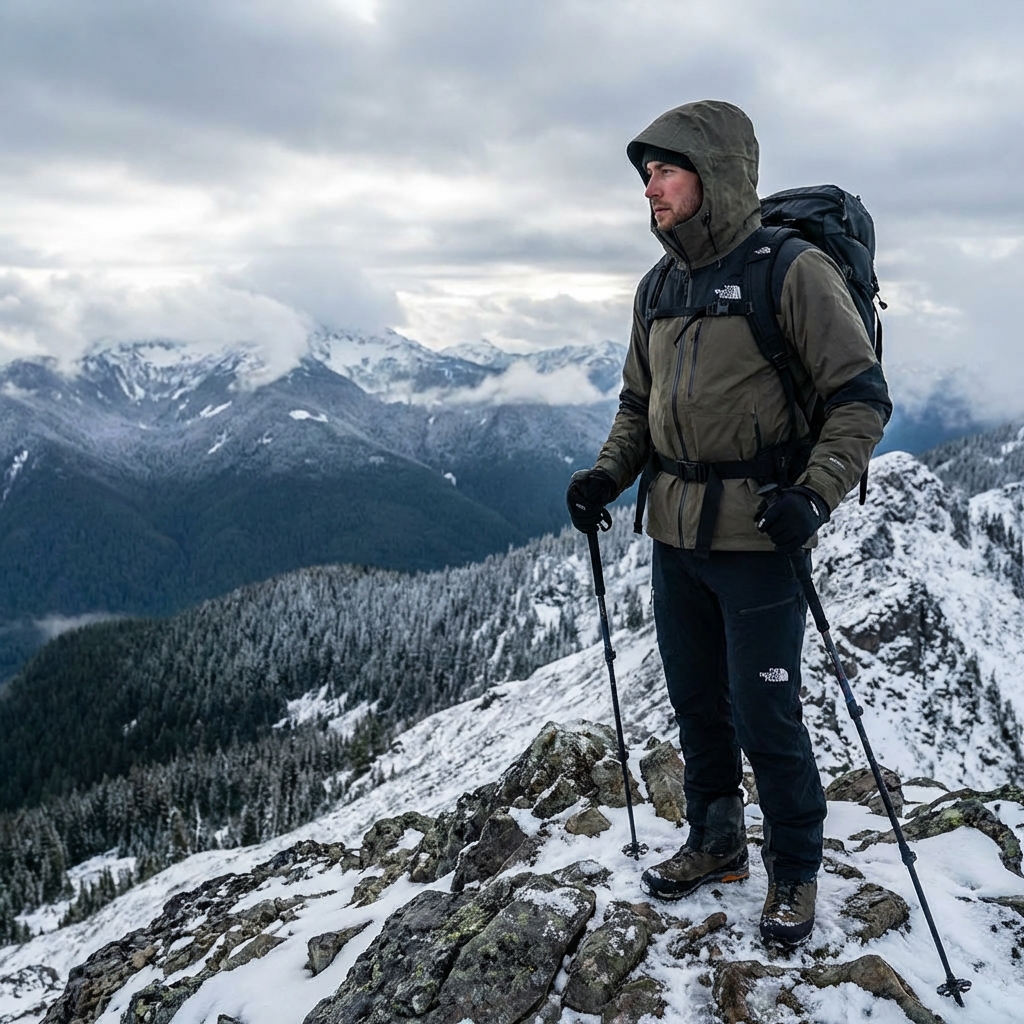
- Zippers and closures: Water-resistant zippers (e.g., polyurethane-coated) lighten garments and offer sleek profiles. External or internal storm flaps provide mechanical redundancy. Laminated or wire-brim hoods shed rain, and sealed cuff closures prevent water migration along sleeves.
These choices influence not only waterproofness, but also drape and noise. Urban-to-trail jackets benefit from quieter face fabrics, smooth zipper garages that won’t snag scarves, and low-profile seam tapes that keep silhouettes clean for urban wear without compromising trail integrity.
Stretch Panels and Mobility Features for Active Movement
Mobility is more than stretch percentage on a spec sheet. It’s how fabric, patterning, and closures work together under dynamic movement—shoulder checks on a bike, reaching for bus straps, or scrambling over wet granite.
- Fabrics with mechanical or elastane-enhanced stretch: Stretch-woven face fabrics paired with breathable membranes enable natural articulation in hardshells and hybrids. Nanospun membranes like FUTURELIGHT maintain airflow and flexibility, lending hardshell-level protection with softshell ease.
- Patterning: Articulated elbows, raglan sleeves, and underarm gussets reduce seam strain and avoid ride-up when you’re layered or wearing a backpack. A drop-tail hem protects the lower back on damp benches and bike saddles while sealing drafts on exposed switchbacks.
- Strategic panel mapping: Placing stretch panels at the shoulders and across the back increases reach and comfort under pack straps. Durable, non-stretch reinforcements at hips and cuffs handle abrasion. Internally, soft tricot chin guards and collar linings reduce friction.
- Venting you can move in: Core vents or pit zips placed forward enough to operate while wearing a pack keep airflow responsive. Two-way center-front zippers allow quick heat dumping on climbs and accommodate bike posture in the city.
When executed well, these features disappear in use, letting you focus on the route ahead, not on tugging sleeves or adjusting hems.
Weight-to-Warmth Ratio: Finding Your Ideal Balance
Urban-to-trail jackets earn their keep by doing more with less. Weight-to-warmth is a practical lens for choosing layers that work Tuesday through Sunday.
- Shell-only strategy: A 2.5L or 3L shell in the 250–450 g range (size M) paired with active midlayers covers a wide spectrum. This approach favors breathability and adaptability—excellent when your commute, office AC, and weekend plans shift daily.
- Lightly insulated options: Synthetic-insulated pieces with 40–80 g/m² in the body and lighter fills in sleeves hit a versatile middle ground. They’re warm enough for brisk city mornings, breathe on moderate trail climbs, and compress into a daypack. Expect weights of 350–600 g with strong real-world warmth.
- Down-forward builds: Down jackets with 700–800 fill power balance warmth with packability, excelling in dry cold. A midweight down hoody around 350–500 g pairs well under a hardshell for true winter. For wet-prone regions, consider hybrids—down in the core, synthetic in moisture zones—to preserve performance.
Remember, warmth is a system. A shell plus a fleece or active-insulation midlayer often proves more versatile than one heavy insulated jacket. Look for consistent loft distribution, minimal cold spots at stitch lines, and hem/hood seals that prevent warm air from escaping.
Durability and Longevity in High-Use Conditions
Commuters and weekend hikers put different but relentless demands on apparel. Abrasion from pack straps, bus seats, and rock scrambles adds up. Durable construction protects your investment and reduces environmental impact over time.
- Fabric denier and weave: Face fabrics in the 20D–40D range keep weight low for everyday carry. Stepping up to 40D–70D improves rock and branch resistance on technical trails. Ripstop weaves stop snags from propagating, and micro-grid textures can hide scuffs while preserving a refined look.
- Reinforcements: Shoulder and hip overlays resist pack wear; cuff bindings shield fabric from sidewalk brush and pole plants. Laminated patches in high-stress zones preserve shape and reduce seam creep.
- Lab and field validation: Reliable jackets reference abrasion (Taber or Martindale) and tear-strength testing, then validate with field use. Look for double bar-tacks at pocket corners, tight seam tolerances, and high-quality trims—robust drawcords, cordlocks, and zipper pulls that won’t fail mid-season.
- Maintainable finishes: Non-PFC DWRs and quality backers that survive frequent washing help keep performance consistent. Jackets designed for reproofing, with accessible care instructions and replaceable components, extend lifecycle meaningfully.
The North Face balances weight with appropriate deniers across categories, from fast-and-light pieces to expedition-proven hardshells, so you can match durability to your daily wear and weekend ambitions.
Top Urban-to-Trail Jacket Recommendations by Use Case
Because climates, commutes, and weekend goals vary, start with your dominant use case and layer from there. Below are versatile archetypes with representative examples from The North Face to guide you.
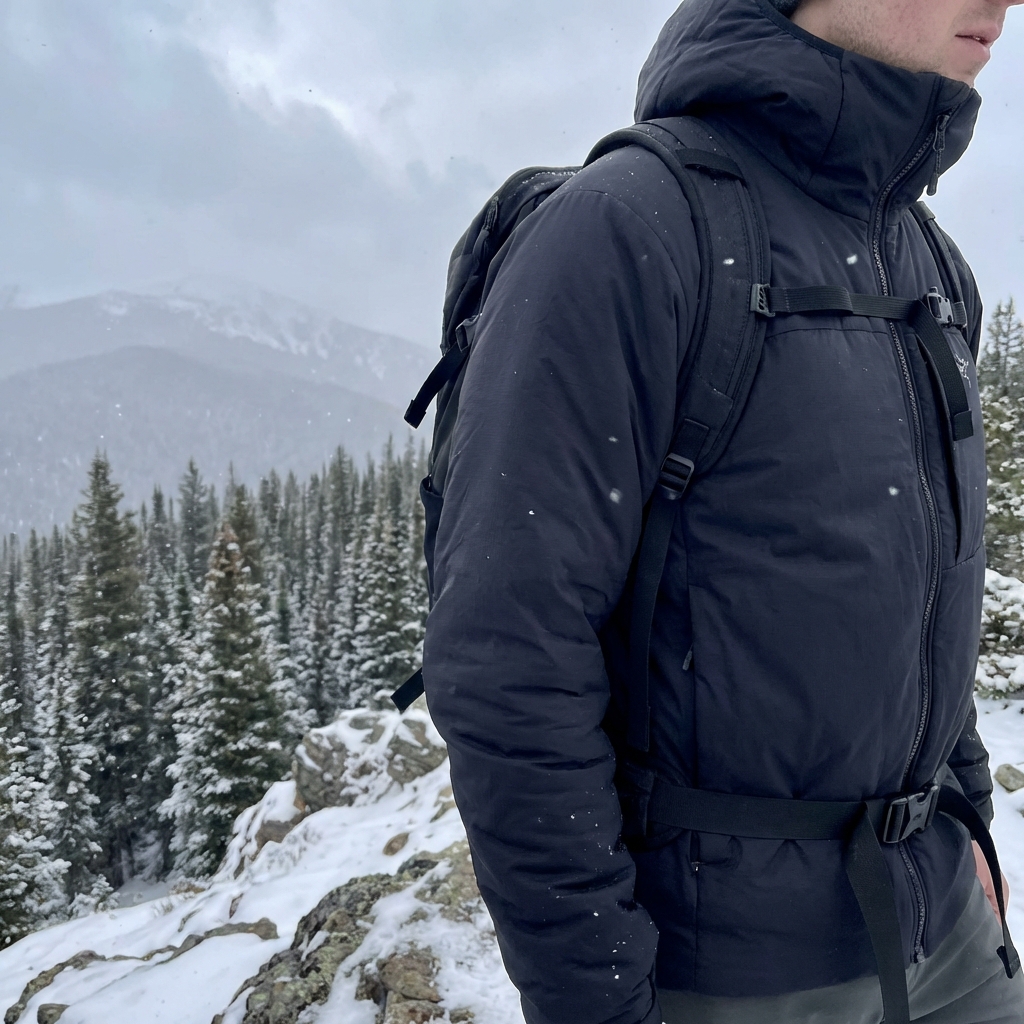
- Daily commute in unpredictable drizzle: A 2.5L DryVent shell with a quiet face fabric, core vents, and a drop-tail hem. It packs small, sheds sudden showers, and layers over a sweater without bulk. A trim, urban-ready cut maintains polish for the office while delivering trail-grade protection after work.
- Fast-paced city-to-park workouts: A highly breathable, lightweight shell using FUTURELIGHT or an equivalent nanospun membrane. Prioritize stretch, venting you can reach while moving, and reflective details. This is the piece you’ll forget you’re wearing until the weather turns—then you’ll appreciate the sealed hood and quick-drying face.
- All-weather day hiking and shoulder-season travel: A 3L DryVent or FUTURELIGHT shell with fully taped seams and helmet-compatible hood for crossover into more technical hikes. Hand pockets placed above hipbelt height, YKK AquaGuard zips, and micro-taped seams help manage both airport and alpine agendas without compromise.
- Snow and high-exposure mountain days: A full-featured 3L hardshell using a top-tier membrane with robust denier, powder skirt compatibility, and glove-friendly hardware. For backcountry lines and demanding weather, the Tsirku Gore-Tex Pro jacket provides expedition-grade waterproofing, durable face fabrics, and a feature set tailored to technical objectives.
- Urban winter warmth with weekend viability: A midweight down jacket (700 fill) with a tough nylon ripstop face, durable cuffs, and a hood. It handles school runs, coffee lines, and trailhead warmups. For a modern, style-forward take that still brings real warmth, see the Nuptse X SKIMS jacket, blending iconic baffles with everyday usability.
- Wet-cold commutes and variable shoulder seasons: A hybrid insulated jacket—synthetic in sleeves and hood, down or higher-loft synthetic in the core—with a weather-resistant outer and integrated venting. This one-piece solution reduces wardrobe changes and works on drizzly mornings that turn into breezy, sunny afternoons.
- Minimalist travel system: A packable 3L shell plus an ultralight down or synthetic midlayer. Each stands alone in mild conditions; together they tackle cold rain and wind. The combo covers conference rooms, redeye flights, and spontaneous summit pushes.
These use cases illustrate how construction choices map to daily realities. Select the architecture that best matches your climate, pace, and weekend plans.
Comparison Summary: Material Performance Matrix
Below is a quick-reference snapshot of common jacket constructions and how they stack up for urban-to-trail use. Use it to shortlist options before you fine-tune features and fit.
- 2L waterproof-breathable (e.g., PU-based with liner)
– Waterproofing: High (10,000–20,000 mm typical) – Breathability: Moderate; depends on vents/liners – Durability: Moderate; comfortable hand – Stretch: Limited unless blended – Packability: Moderate – Best uses: Daily commuting, casual hikes, travel in mixed weather
- 2.5L waterproof-breathable (printed backer)
– Waterproofing: High (similar to 2L) – Breathability: Moderate to high; excels with pit zips – Durability: Moderate; interior can feel clammy at high exertion – Stretch: Some options; lighter hand – Packability: High – Best uses: Fast-and-light, run-commuting, packable emergency shell
- 3L waterproof-breathable (laminated backer)
– Waterproofing: Very high (20,000 mm+ typical) – Breathability: High; consistent under load – Durability: High; resists abrasion and delamination – Stretch: Available in select membranes and face fabrics – Packability: Moderate to high depending on denier – Best uses: All-weather hiking, alpine days, long commutes in heavy rain
- Softshell (woven stretch, DWR-treated)
– Waterproofing: Water-resistant; not fully waterproof – Breathability: High; comfortable, quiet – Durability: Moderate to high, depending on weave – Stretch: High – Packability: Moderate – Best uses: Cool, dry days; active movement; urban layering
- Insulated down (sewn-through or box-wall)
– Warmth-to-weight: Excellent (especially 700–800 fill) – Wet performance: Low without shell; improved when layered – Compressibility: Excellent – Durability: Face fabric dependent; protect with shell in rough use – Best uses: Cold, dry climates; style-forward city wear with trail crossovers
- Insulated synthetic (sheet or blowable fibers)
– Warmth-to-weight: Good; retains warmth when damp – Wet performance: Strong; dries quickly – Compressibility: Good; less than down – Durability: Strong for repeat compression and washing – Best uses: Wet-cold commutes, variable shoulder seasons, high-output cold-weather activities
Sustainability and Responsible Construction Practices
Sustainable performance begins with durable design and extends through materials, manufacturing, and end-of-life pathways. The North Face integrates several responsible practices across its lines.
- Recycled and certified inputs: Many face fabrics and liners incorporate recycled nylon or polyester, reducing virgin resource use. Responsible Down Standard (RDS) certification helps ensure down is ethically sourced. Bluesign-approached material choices prioritize safer chemistry in the supply chain.
- Non-PFC DWR transitions: Moving away from long-chain perfluorinated chemistries reduces environmental persistence while still delivering reliable water beading. Regular care and reproofing keep these finishes performing season after season.
- Dope-dye solutions: Select fabrics use solution dyeing to cut water and energy consumption while improving colorfastness. For daily commuters subjecting jackets to frequent washing, better dye stability reduces the need for premature replacement.
- Product longevity and repairability: Robust stitching, field-repairable trims, and replaceable components extend useful life. The North Face supports circularity through its sustainability-focused resale and refurbishment efforts, encouraging gear to stay in use longer by a second or third owner.
- Loyalty that rewards responsible choices: XPLR Pass loyalty rewards can make it easier to maintain your kit responsibly—whether that’s investing in repair-friendly pieces, picking recycled-content upgrades, or participating in trade-in and resale opportunities.
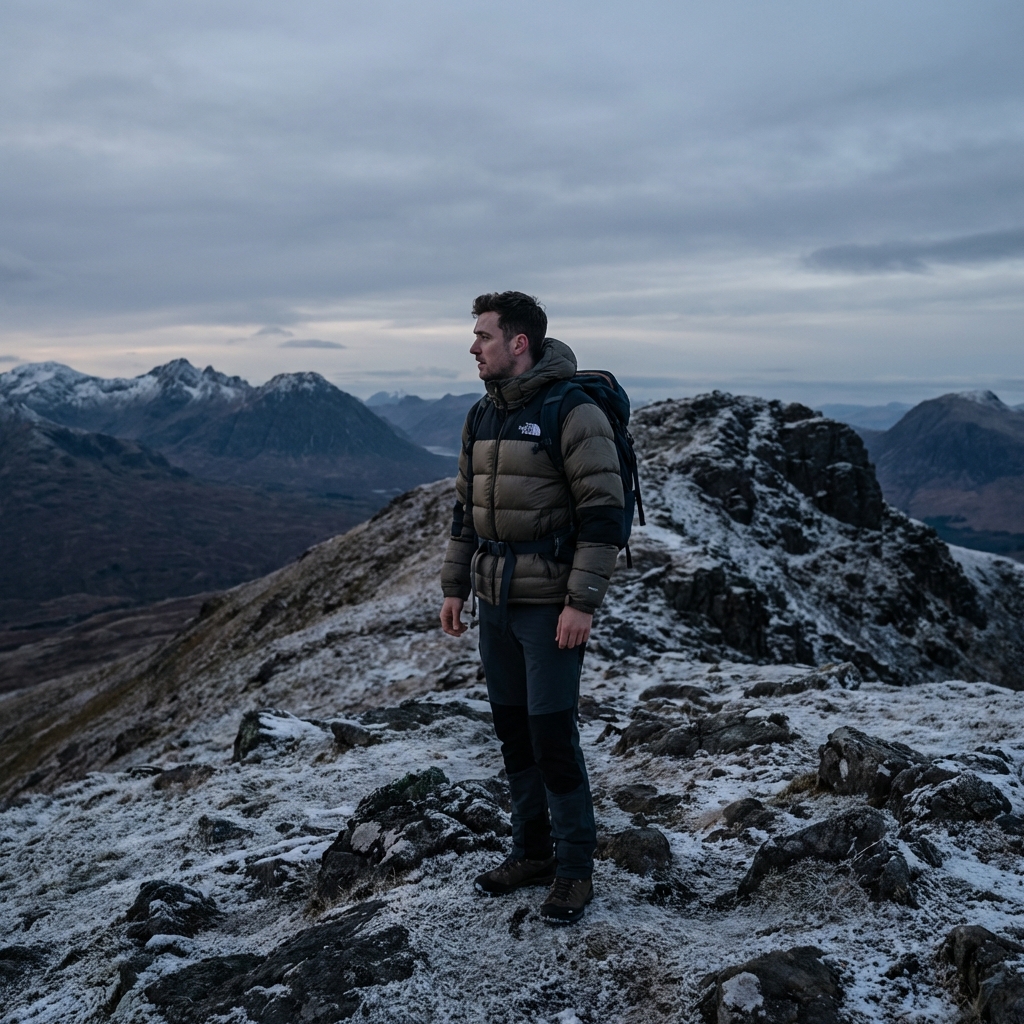
Sustainability in this category is cumulative: buying once, maintaining well, and choosing materials engineered for years of service adds up.
Selection Guide: How to Choose Your Perfect Jacket
Clarify needs before comparing tags. A short checklist narrows the field to jackets that fit your climate, pace, and style.
- Define your primary environment:
– Mostly urban with short outdoor stints: 2L or 2.5L, quiet face, refined silhouette. – Equal city and trail time: 3L with micro-taping, helmet-compatible hood, raised pockets. – Cold-first regions: Add a down or synthetic midlayer, or choose a lightly insulated shell.
- Identify your precipitation profile:
– Frequent, heavy rain or wet snow: Fully taped 3L with robust DWR, laminated brim. – Intermittent drizzle: 2.5L with core vents and packable design. – Dry cold: Down-forward insulation with tough face fabric.
- Match insulation to output:
– High-output (run, ride, fast hike): Shell plus active midlayer; synthetic if damp. – Moderate output (walk, commute, casual hike): Light synthetic or low-fill down. – Low output (spectator, static wear): Higher-loft down or hybrid with windproof shell.
- Fit and mobility checks:
– Lift arms; hem shouldn’t rise excessively. – Rotate shoulders; no binding across upper back. – Try with your typical midlayer to confirm sleeve and hem coverage.
- Feature prioritization:
– Hood: Helmet compatible if you ride or climb; adjusters accessible with gloves. – Pockets: Media sleeve, internal stash, and hipbelt-friendly hand pockets. – Venting: Pit zips or core vents if you heat up quickly. – Zippers: Two-way main zip for biking or belay stance; water-resistant where needed.
- Durability and travel:
– Choose 40D+ face fabrics for regular pack wear or rough trails. – Opt for lighter deniers if your priority is packability and you carry minimal loads.
With these criteria, you can build a shortlist that respects both your weekday routines and weekend goals.
Maintenance and Care to Extend Jacket Lifespan
Consistent care preserves performance and reduces environmental impact. A few targeted habits keep urban-to-trail jackets working like day one.
- Routine cleaning:
– Wash when dirt or body oils cause wet-out or odors. Use a technical-wash detergent; avoid fabric softeners and bleach. – Close all zippers and Velcro tabs. Machine wash cold or warm, gentle cycle. – Rinse thoroughly to remove detergent residues that impair DWR.
- Restoring water repellency:
– Tumble dry low to reactivate DWR. If beading doesn’t return, apply a spray-on or wash-in non-PFC DWR treatment, then tumble dry as directed. – Focus on high-exposure zones—shoulders, hood, sleeves—for targeted reproofing.
- Down-specific care:
– Use down detergent. Dry low and slow with clean tennis balls or dryer balls to restore loft. – Break up clumps periodically during drying. Fully dry before storage to prevent odor or mildew.
- Synthetic insulation care:
– Wash with technical detergent; synthetics handle more frequent cleaning. – Air dry or tumble low per label. Shake to redistribute loft.
- Storage and field repairs:
– Store clean and fully dry; hang shells and keep insulated jackets uncompressed. – Carry a small repair kit: tenacious tape, mini sewing kit, and zipper pull replacements. Address small snags early to avoid propagation.
- Zippers, elastics, and hardware:
– Periodically lubricate zippers with a suitable zipper care product. – Inspect drawcords and toggles; replace worn components to maintain weather seals.
- Professional service:
– For peeling seam tape, delamination, or major tears, contact the brand’s service team or a reputable technical repair shop. Timely intervention often saves a favorite jacket.
By aligning materials, construction, and care, urban-to-trail jackets become dependable tools—equally at home dodging puddles downtown and shedding spindrift above treeline. The right choice, maintained well, delivers versatile performance clothing you’ll reach for in every season.
Frequently Asked Questions (FAQ)
How do I choose the right waterproof and breathability ratings for an urban-to-trail jacket?
Aim for at least 10,000 mm waterproofing and 10,000 g/m2/24h breathability, plus a durable water repellent (DWR) finish for commuting and light hikes. For sustained rain or high-output activity, choose 20k/20k or a 3-layer membrane with fully taped seams and vents (pit zips or mesh pockets). Hybrid designs with stretch panels at the underarms or back improve mobility without giving up weather protection.
Should I choose down or synthetic insulation for city-to-trail use?
Down delivers the best warmth-to-weight and packs small; opt for 700–900 fill with a hydrophobic treatment and pair it with a protective shell in wet forecasts. Synthetic (such as PrimaLoft or recycled polyester) insulates when damp and dries faster, which suits humid or variable weather. For active movement, a hybrid approach—down in the core, synthetic at shoulders and hood—balances warmth, moisture management, and durability.
What sustainable features matter in an urban-to-trail jacket without sacrificing performance?
Prioritize recycled nylon or polyester face fabrics with PFC-free DWR and durable high-tenacity ripstop. Verify bluesign-approved materials, Responsible Down Standard (RDS) or Global Recycled Standard (GRS) claims, and repair-friendly details like modular zippers and replaceable cord locks. Extending lifespan through proper care, repairs, and resale programs typically lowers impact more than any single material choice.
Leave a Reply