Table of Contents
- Budget-Conscious Beginners: Starting Your Outdoor Journey Affordably
- Casual Weekend Hikers: Balancing Cost and Reliability
- Seasonal Athletes: Maximizing Value for Specific Activities
- High-Performance Climbers: When New Technology Matters Most
- Frequent Travelers: Durability Considerations for Heavy-Use Gear
- Sustainability-Focused Explorers: Making Environmentally Conscious Choices
- Transitioning Gear Enthusiasts: Upgrading Your Technical Equipment Strategically
- Frequently Asked Questions (FAQ)
Budget-Conscious Beginners: Starting Your Outdoor Journey Affordably
Title: 7 Best Times to Buy Used Outdoor Gear vs New Equipment
Finding the right balance between performance, price, and responsibility is central to every outdoor kit decision. Knowing when to buy used vs new outdoor gear can stretch your budget, lower environmental impact, and still keep you safe and comfortable outside. The “right” answer varies by activity, season, and how hard you are on equipment—and by understanding the performance trade-offs used equipment can bring, you can build a kit that matches your goals.
The North Face designs technical apparel and equipment for athletes and modern explorers, and the brand’s mix of durable packs, insulated layers, breathable-waterproof shells, and activity-specific gear helps illustrate where secondhand value shines and where new technology pays off. Below, we outline seven scenarios with clear guidance on when to buy used gear and when new equipment is worth it.
Early outings don’t demand a top-shelf kit. Focus on safety, fit, and weather protection, and look for dependable value in non-critical items. Buying used outerwear and accessories can free up budget for footwear and a protective shell—two categories where fit and fabric performance strongly influence comfort.
Where used makes sense for beginners:
- Insulated midlayers and fleece: Quality pieces hold up well and are easy to evaluate by sight and feel. Down loft, zipper function, and seam integrity are simple checks.
- Rain shells and wind jackets: If the membrane is intact and seams are taped with no peeling, a wash and re-proofing can restore water repellency.
- Daypacks: Lightly used packs offer excellent savings. Inspect buckles, hipbelt foam, and zippers.
- Trekking poles: Test clamp locks and look for straight sections and undamaged tips.
Where buying new pays off:
- Footwear: Midsoles compress and outsoles wear; starting with fresh cushioning and precise fit reduces blisters and supports your stride.
- Next-to-skin baselayers and socks: Hygiene aside, new technical fabrics wick more predictably when unworn.
- Safety-critical gear: Helmets, harnesses, ropes, avalanche tools, water filtration elements, and stoves with questionable provenance should be purchased new.
A practical beginner’s kit split:
- Buy used: Lightweight fleece, synthetic puffy, breathable rain shell, 20–30L daypack.
- Buy new: Trail shoes or boots, merino or synthetic baselayers, sun hat, first-aid kit.
For beginners who want a trustworthy secondhand source, The North Face Renewed program refurbishes select apparel to brand standards, providing a quality baseline for used outerwear. New footwear and shells from The North Face can anchor the kit, while Renewed layers help you stretch dollars. Joining the XPLR Pass loyalty program earns rewards that can offset future upgrades, so you can start affordably and scale up as your trips evolve.
Test Text 1
Casual Weekend Hikers: Balancing Cost and Reliability
A few hours on local trails each week puts moderate wear on gear. The priority here is reliability under light-to-medium loads and changing weather, without overspending. Buying used is often smart for items that aren’t safety critical and that show wear plainly.
Buy used when:
- Daypacks and waist packs are lightly scuffed but structurally sound. Check load-lifter stitching, zipper sliders, and back panel foam for cracks.
- Trekking poles have tight joints and no lateral play. Replace worn baskets inexpensively.
- Apparel like sun shirts, trail shorts, and softshell pants are intact. Seams and DWR can be revived with washing and treatment.
- Rain shells are free of delamination and taped seams remain fully adhered.
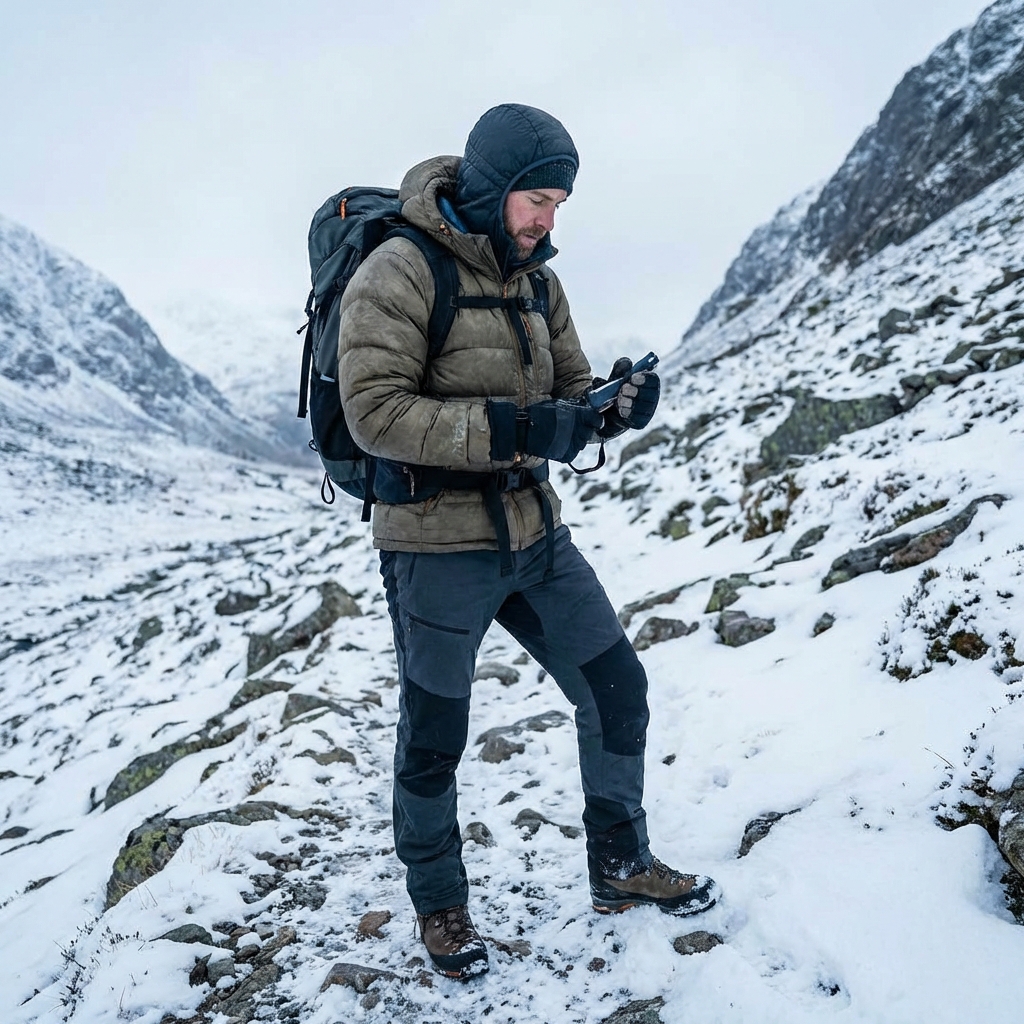
If you’re considering a pack upgrade, browsing a curated selection like The North Face’s Best Selling Backpacks can help you benchmark features—suspension comfort, pocket layouts, hydration compatibility—before deciding whether a well-kept used model hits your needs.
Maintenance considerations:
- After wet hikes, dry gear thoroughly to prevent mildew in used fabrics.
- Re-tape or repair small abrasions with patches; it extends life and maintains value.
- Track mileage on footwear to replace before cushioning fatigues.
- Test Text 2
Casual weekenders can confidently mix used packs and apparel with new footwear. This balance leverages used outdoor equipment value without sacrificing trail-day comfort.
Seasonal Athletes: Maximizing Value for Specific Activities
If you chase snow in winter or trail mileage in summer but spend the rest of the year cross-training, seasonal buying strategies reduce costs while keeping performance high during peak months. Timing and category-specific judgment matter most.
Skiing and snowboarding:
- Buy used: Insulated midlayers, shell pants and jackets (pending membrane and seam health), and resort-oriented gloves. Inspect for DWR beading, scuffs in high-wear zones, and intact powder skirts.
- Buy new: Avalanche transceivers, airbags, and probes. Electronics and lifesaving equipment improve rapidly; reliability and latest standards justify new. Helmets should be new or from a trusted source with known impact history.
- Test Text 3
Mountaineering and snowshoeing:
- Buy used: Hardwearing shells, insulated belay parkas, and gaiters. Look for abrasion resistance and solid zippers. Modern tech like FUTURELIGHT membranes and advanced insulations can still be found secondhand in excellent condition.
- Buy new: Crampons, ice tools, and load-bearing safety gear. Sharpness, metal fatigue, and unknown histories are non-negotiable.
Trail running:
- Buy used: Apparel, hydration vests (check elastic rebound and bottle pockets), and rain shells.
- Buy new: Footwear. Midsole foam degrades even unused over time; fresh shoes ensure responsiveness and reduce injury risk.
Biking and shoulder-season pursuits:
- Buy used: Wind shells, lightly used packs, and merino layers.
- Buy new: Helmets and lights. Safety standards and battery performance improve year over year.
Calendar-smart tips:
- Shop used and new off-season when inventory shifts. Late spring for snowsports apparel; late fall for warm-weather kits.
- For The North Face insulated layers, both down and synthetic (like ThermoBall) hold value and performance across seasons; secondhand pieces with solid loft are safe bets.
By aligning purchases with your primary season, you can reserve budget for new, safety-critical equipment while capturing strong used value in apparel and non-load-bearing accessories.
High-Performance Climbers: When New Technology Matters Most
Climbing pushes gear to the edge of its performance envelope. Margins are thinner, and weight-to-strength ratios, breathability under harness pressure, and dexterity in gloves or layers become decisive. Here, clarity about what must be new versus what can be safely purchased used is essential.
Always buy new for:
- Ropes, harnesses, carabiners, cams, nuts, quickdraws, belay devices, and helmets. Metal fatigue, UV degradation, microfractures, and unknown fall histories make secondhand purchases risky, even from seemingly careful previous owners.
- Slings and cordage: Aging and storage conditions affect fibers invisibly.
Consider used, with caution:
- Climbing apparel: Softshells, wind layers, and belay jackets can be evaluated visually and by feel. Check cuffs, shoulders, and hip areas for wear from rope and harness friction.
- Packs: Crag and big-wall packs endure abrasion; inspect haul points, strap bar-tacks, and bottom fabric. Reinforced seams and undamaged framesheets are musts.
- Approach shoes: Only if tread and edging zones remain firm, and midsoles haven’t collapsed.
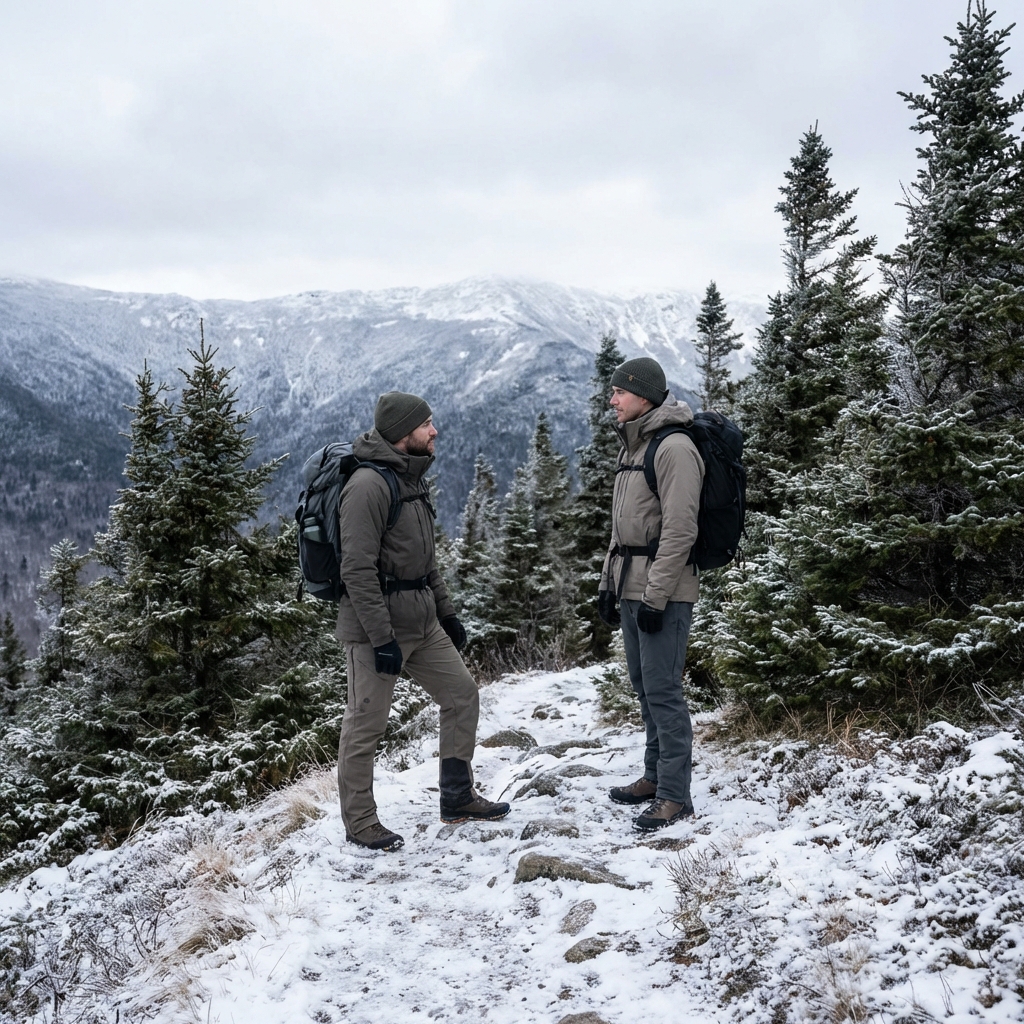
When new tech is worth it:
- Breathable-waterproof membranes with enhanced air permeability (e.g., The North Face’s FUTURELIGHT) reduce sweat buildup under harness pressure and during high-output leads. For steep, technical days, that comfort gain can improve decision-making and safety.
- High-loft yet compressible belay parkas with modern baffle construction trap heat without bulky cold spots, speeding transitions at hanging belays.
- Ergonomic patterning and gusseting in pants and jackets increase mobility with fewer layers.
Performance trade-offs used equipment may bring:
- Reduced DWR on older shells means faster wet-out, adding chill during shade or wind on multipitch routes.
- Packed-out insulation can compress under a harness, diminishing warmth precisely when you’re stationary on belay.
- Stretched pack straps migrate under heavy racks, shifting weight awkwardly.
For climbers, the safest rule is uncompromisingly new for anything that holds a fall or protects your head, combined with carefully vetted used apparel and packs to save weight and cost.
Frequent Travelers: Durability Considerations for Heavy-Use Gear
Athletes, guides, and adventurous travelers often put more miles on their gear in transit than on the trail. Airline handling, bus racks, and roof boxes stress hardware and fabrics differently than backcountry use. When durability and uptime matter, deciding when to buy used vs new outdoor gear is about zipper integrity, frames, and rolling components.
Go used with confidence when:
- Duffels and soft luggage have intact coated fabrics, no seam creep at handles, and smooth zippers. Scuffs are cosmetic; damage at stress points is not.
- Daypacks maintain back panel rigidity and clean shoulder-strap stitching. Foam imprinting and minor abrasions are acceptable.
Buy new when:
- Rolling luggage wheels wobble or bearings grind. A single flight can finish a failing wheel assembly.
- Telescoping handles rattle or stick; these parts are tough to replace and critical for long connections.
- You need guaranteed weather protection for camera or work gear; fresh DWR and seam taping reduce risk.
Heavy-use maintenance to extend used gear life:
- Clean and lube zippers with silicone-based products to prevent blowouts.
- Refresh DWR with a wash-in or spray-on treatment before rainy itineraries.
- Patch abrasion points proactively on duffels and packs’ high-contact zones.
If you’re outfitting for repeated travel and fieldwork, a quick scan of The North Face’s Outdoor gear & equipment can help you gauge current material specs—coated textiles, ballistic weaves, frame systems—before assessing used alternatives. The benchmark simplifies deciding whether a like-new secondhand option is a smart buy or if new will deliver longer service life at lower total cost of ownership.
Sustainability-Focused Explorers: Making Environmentally Conscious Choices
For many explorers, the goal is to lighten the footprint without compromising safety. Opting for secondhand is often the best first step—extending the life of a high-quality product avoids the emissions of manufacturing a new one. But sustainable decision-making also includes repairability, materials, and choosing items built to last.
Sustainable choices that favor used:
- Apparel and packs designed for repair: Bar-tacked seams, modular buckles, and standard zipper sizes extend service life. Prioritize used items with replaceable parts.
- High-loft insulation that can be re-fluffed and maintained: Proper washing and drying restore down loft; synthetic options recover with careful laundering.
When new is the greener long-term choice:
- Items that will see daily or expedition-grade wear. A new, durable pack or shell that lasts a decade can outperform two or three disposable purchases.
- Safety gear. Fewer replacements and the latest standards reduce waste and risk.
Practical sustainability steps:
- Choose PFC-free DWR in new shells to limit persistent chemicals in the environment.
- Maintain used gear meticulously: wash tech fabrics per care labels, revive DWR, store down uncompressed, and keep UV-sensitive items shaded.
- Prioritize brands with repair services and circular programs. The North Face Renewed keeps quality apparel in circulation; pairing Renewed layers with durable, repairable equipment extends total product life.
- Resell or donate gear that no longer fits your needs. Closing the loop keeps functional equipment outside and out of landfills.
By blending used apparel with a few strategic new purchases, sustainability-focused explorers reduce resource use while sustaining dependable performance in the field.
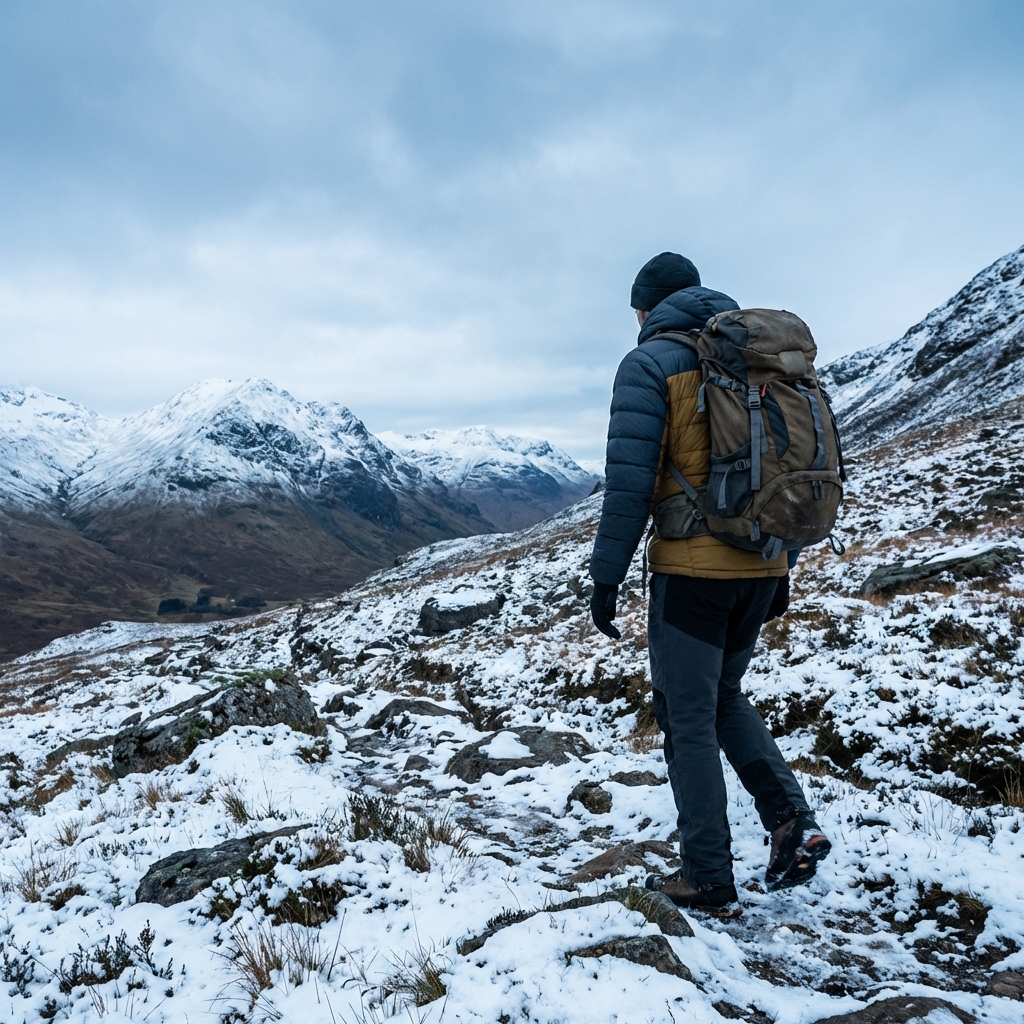
Transitioning Gear Enthusiasts: Upgrading Your Technical Equipment Strategically
As your skills and ambitions grow, so does the desire for gear that climbs steeper, hikes farther, and protects better in tough weather. Strategic upgrades let you capture meaningful performance gains without rebuilding your entire kit at once.
Identify meaningful performance gaps:
- Weather protection: Are you wetting out early, or overheating on the climb? Upgrading to a more breathable-waterproof shell can deliver the biggest comfort leap.
- Warmth-to-weight: If your pack is heavy with older insulation, a modern down or advanced synthetic puffy can cut grams and boost warmth.
- Carry comfort: If hipbelt or shoulder pain ends your day, improved pack suspension is transformative.
Upgrade new when:
- There’s a genuine technology inflection. Examples include air-permeable membranes, advanced baffle construction, and redesigned pack frames that distribute load better under movement.
- The item is a foundation piece you’ll use year-round: a primary shell, 30–40L daypack, or versatile insulated midlayer from a proven line.
Leverage used for:
- Secondary or niche items you’ll use a few times per season: an ultralight wind vest, a summer-weight sleeping layer, or a summit-only shell.
- Previous-season colors of proven models; you often get 90–100% of the performance at a steep discount.
Resale and rotation strategy:
- Keep receipts and maintain gear carefully to preserve resale value. Clean, repaired, and documented items fetch higher prices.
- Rotate out overlapping pieces. If a new shell outperforms two old jackets, sell both and simplify your kit.
- Use loyalty rewards such as XPLR Pass to stack savings on cornerstone upgrades, then backfill the rest of the system with quality used items.
Decision checklist for each upgrade:
- Is the new item solving a specific limitation you’ve experienced?
- Will it replace multiple pieces or extend your season?
- Does it pair well with existing layers to create a modular system?
Transitioning enthusiasts succeed by investing in a few best-in-class pieces—often new—while sourcing complementary layers and accessories used. The result is a lighter, more capable kit that changes with your goals.
Conclusion: A Practical Rulebook for Smarter Purchases
There’s no single answer to the question of when to buy used vs new outdoor gear, but consistent principles emerge across activities and experience levels.
General rules of thumb:
- Always buy new: Safety-critical items (helmets, harnesses, ropes, avalanche electronics), footwear for serious mileage, and rolling luggage with failing components.
- Often safe used bets: Insulated and fleece layers, breathable shells with intact membranes, daypacks with solid stitching, and trekking poles with secure locks.
- Consider technology leaps: When breathable-waterproof performance, warmth-to-weight, or load-carrying comfort has clearly improved, new gear can extend your range and seasons.
- Maintain relentlessly: Clean, re-proof, and repair to maximize life and value—whether the piece started new or used.
- Align with your use: Heavy users should prioritize durability; seasonal athletes can time off-season deals and rent or borrow until the right piece appears.
The North Face builds for durability and technical performance, and its ecosystem—from high-performance shells and insulated layers to durable packs and a sustainability-focused resale pathway—supports whichever route you take. With a thoughtful approach to the performance trade-offs used equipment can bring, you can assemble a capable kit that respects your budget, your objectives, and the environments you explore.
Frequently Asked Questions (FAQ)
When should I buy used vs new outdoor gear?
Buy new for safety-critical items (ropes, harnesses, helmets, carabiners, avalanche transceivers) and for heavily used, fit-critical footwear. Used is often a smart choice for tents, backpacks, non-insulated shells, trekking poles, and camp cookware if they pass a thorough inspection. Aim for at least 40% savings and verify remaining lifespan and parts availability before choosing secondhand.
How do I evaluate the condition of used gear before I buy?
Inspect fabrics for tears, seam wear, zipper smoothness, and membrane delamination; make sure tents still bead water and aren’t UV-brittle. Confirm down loft, pole locks and stove valves function, and that pack straps and foams aren’t crushed. Ask for age, storage history, and any repairs, and check the model for recalls.
What performance trade-offs should I expect with secondhand equipment?
Older gear may be heavier and less breathable or water-resistant than current models, and membranes lose performance with wear. Insulation can pack down, midsoles compress, and coatings or adhesives age, reducing warmth, cushioning, and durability. If you need cutting-edge weather protection or ultralight weight for high-output or alpine objectives, new equipment typically delivers more consistent performance and warranty support.
Leave a Reply