Table of Contents
- Why Insulation Matters More Than You Think
- The Problem With One-Size-Fits-All Gear
- How Our Insulation Technology Differs for Different Adventures
- Down Insulation for Extreme Mountaineering Conditions
- Synthetic Insulation for Your Active Daily Life
- Layering Our Technical Gear for Maximum Warmth and Mobility
- Understanding Heat Retention vs Weather Protection in Our Designs
- Our Innovation in Multi-Day Expedition Puffers
- Everyday Performance Without the Expedition Price Tag
- Finding Your Perfect Insulation Match With Our Collections
- Our Commitment to Quality Across All Temperature Ranges
- Frequently Asked Questions (FAQ)
Why Insulation Matters More Than You Think
When you’re standing at 14,000 feet with wind gusting across exposed ridges, insulation isn’t just a feature—it’s the difference between turning back and summiting. We’ve learned this through thousands of hours field-testing our gear in conditions that don’t forgive mistakes. The right insulation keeps your core temperature stable, preserves mobility for technical movement, and lets you push further than you thought possible.
Most people underestimate how much insulation they need because they think about warmth in isolation. The truth is more nuanced. Insulation works best when it works with your body’s heat output, the air layer around you, and the protective shell you wear outside. Get this combination right, and a lightweight system will keep you warm for days. Get it wrong, and even heavy gear won’t save you from creeping cold.
The material itself matters enormously. Different insulation types respond differently to moisture, compression, and the specific demands of your activity. That’s why we don’t make a one-size-fits-all solution. Instead, we engineer insulation systems tailored to how you move and where you’re headed.
What to do next: Assess your typical winter conditions. Are you moving hard on the skin track, or moving slowly at altitude? This determines whether you need insulation that breathes with activity or insulation optimized for stillness and extreme cold.
The Problem With One-Size-Fits-All Gear
A puffer jacket that works for a city commute won’t perform on a three-day alpine push. Yet too many outdoor companies market the same insulation for both, which means neither scenario gets the full benefit of smart engineering. We saw this gap early on and refused to compromise in either direction.
The fundamental issue is conflicting demands. Expedition insulation prioritizes heat retention at rest and extreme cold performance, which often means heavier, more compressed materials. Daily wear insulation needs to shed body heat when you’re moving, compress small enough to stash in a backpack, and look modern for on-the-street wear. Trying to split the difference leaves you with mediocrity in both camps.
Consider weight trade-offs. An expedition puffer might weigh four pounds to deliver dependable warmth at minus-twenty degrees Fahrenheit. That same weight on a commute jacket is overkill and leaves you sweating on the train. Conversely, a lightweight urban puffer will pack small but won’t maintain warmth during a high-altitude bivvy. We engineered different designs for these divergent realities.
Our approach is straightforward: build separate systems, each optimized for its intended use. This means more choices for you, but each choice is purpose-built rather than generic.
How Our Insulation Technology Differs for Different Adventures
We employ three core insulation strategies, each with specific strengths. Understanding these differences helps you pick the right tool for your conditions.
Down insulation excels in dry, extreme cold. It compresses to remarkable volumes, recovers well after compression, and provides premium warmth-to-weight ratios. Its weakness is moisture—when down gets wet, it clumps and loses loft fast. We use premium down (650 to 850 fill power depending on the piece) in expedition jackets where staying dry is achievable and weight matters intensely.
Synthetic insulation resists moisture, recovers reasonably well, and performs across a wider temperature spectrum with higher activity levels. It’s slightly heavier than down gram-for-gram, but this trade-off unlocks versatility. We use advanced synthetic blends in pieces designed for active movement, variable conditions, and situations where sweat or splash is likely.
Hybrid systems layer down and synthetic together, often placing synthetic on the torso for durability and down on the sides and back where coverage matters most in static positions. We deploy hybrid engineering in jackets that bridge expedition and active use—pieces that need to perform on long approaches and at high camps.
What to do next: Think about moisture exposure. If your winter plans involve fast movement, rain exposure, or snowy environments, synthetic or hybrid becomes your go-to. Dry, static alpine climbing points toward down.

Down Insulation for Extreme Mountaineering Conditions
Down remains unmatched for warmth at the extremes. We source premium down from responsible suppliers, ensuring ethical standards alongside performance. Our 850-fill-power down delivers approximately eight times its weight in insulating value, which is why you’ll see it in our expedition puffers and high-altitude climbing layers.
The magic of down lies in its structure. Each cluster creates millions of tiny air pockets that trap warmth without bulk. A down jacket weighing eighteen ounces can keep you warm in conditions where a synthetic jacket twice that weight might not. This matters when you’re carrying every gram across rough terrain.
Down performs best in dry conditions, which is why we pair it with technical shells and position it strategically in jackets. We also use baffled constructions (internal walls that prevent down from shifting) to maintain consistent insulation across the entire garment. Without proper baffling, down migrates and creates cold spots where you need protection most.
One practical note: our down jackets are treated with hydrophobic finishes that buy you crucial minutes of protection if caught in unexpected moisture. This isn’t a replacement for a shell layer, but it extends your safety window during weather changes high on a route.
What to do next: Invest in a quality down piece if you’re pursuing high-altitude objectives or multi-day alpine trips where weight management is critical. Our Nuptse line represents three decades of mountain-tested down engineering.
Synthetic Insulation for Your Active Daily Life
We engineer synthetic insulation around real movement. When you’re hiking uphill at a steady pace or moving through variable winter conditions, your body generates significant heat. Synthetic insulation that’s too dense or unbreathable turns that heat into sweat, which defeats the entire purpose of insulation.
Our advanced synthetics are engineered with high loft and breathable backing to let moisture vapor escape while trapping warm air. This allows active explorers to layer confidently without overheating on the approach and feeling stripped of warmth at higher elevations. The Ventrix Hoodie exemplifies this philosophy—it uses synthetic insulation shaped for movement with strategic venting to manage moisture.
Synthetic insulation also recovers better from compression than many assume. Modern synthetic constructions rebound quickly even after being packed into a backpack for days. This means your insulation maintains loft and function throughout multi-day trips where a down jacket might stay compressed.
The durability advantage shouldn’t be overlooked either. Synthetic insulation resists pilling, handles rough terrain contact, and bounces back from snags. If you’re moving fast through brush or rock scrambles, synthetic’s toughness pairs with active performance to create a reliable workhorse.
Layering Our Technical Gear for Maximum Warmth and Mobility
Insulation only reaches its full potential when layered thoughtfully. We design each piece with specific positions in a layer system, whether that’s base, mid-layer, or outer insulation.
The fundamental principle is trapping still air near your skin while shedding excess heat and moisture. Base layers move sweat away from skin. Mid-layer insulation traps warm air while allowing some vapor transmission. Shell layers block wind and water. Each layer has a job; doing all three in one jacket spreads focus too thin.
For winter expeditions, we typically recommend a tight base layer, a substantial insulated mid-layer, and a weather shell. The mid-layer is where most of your heat capacity lives. For daily winter wear, a single insulated jacket over a base layer often suffices, but adding a thin fleece underneath extends warmth without excessive bulk.
Fit matters as much as fabric choice. Insulation works by trapping air, so tight compression reduces insulating value dramatically. We cut our insulated pieces with space for layering underneath—you should be able to fit a closed fist inside your jacket when zipped. Too roomy and cold air circulates; too tight and insulation can’t perform.
Overlapping coverage prevents gaps. Our expedition jackets extend past hip height and have long enough sleeves to cover your wrists even when reaching overhead. These details prevent cold spots that sneak in during high-exertion movement and high-altitude stasis.
What to do next: Build your layer system incrementally. Start with a base and insulated jacket, then add or subtract pieces based on your actual experience in real conditions. This teaches you what your body needs.
Understanding Heat Retention vs Weather Protection in Our Designs
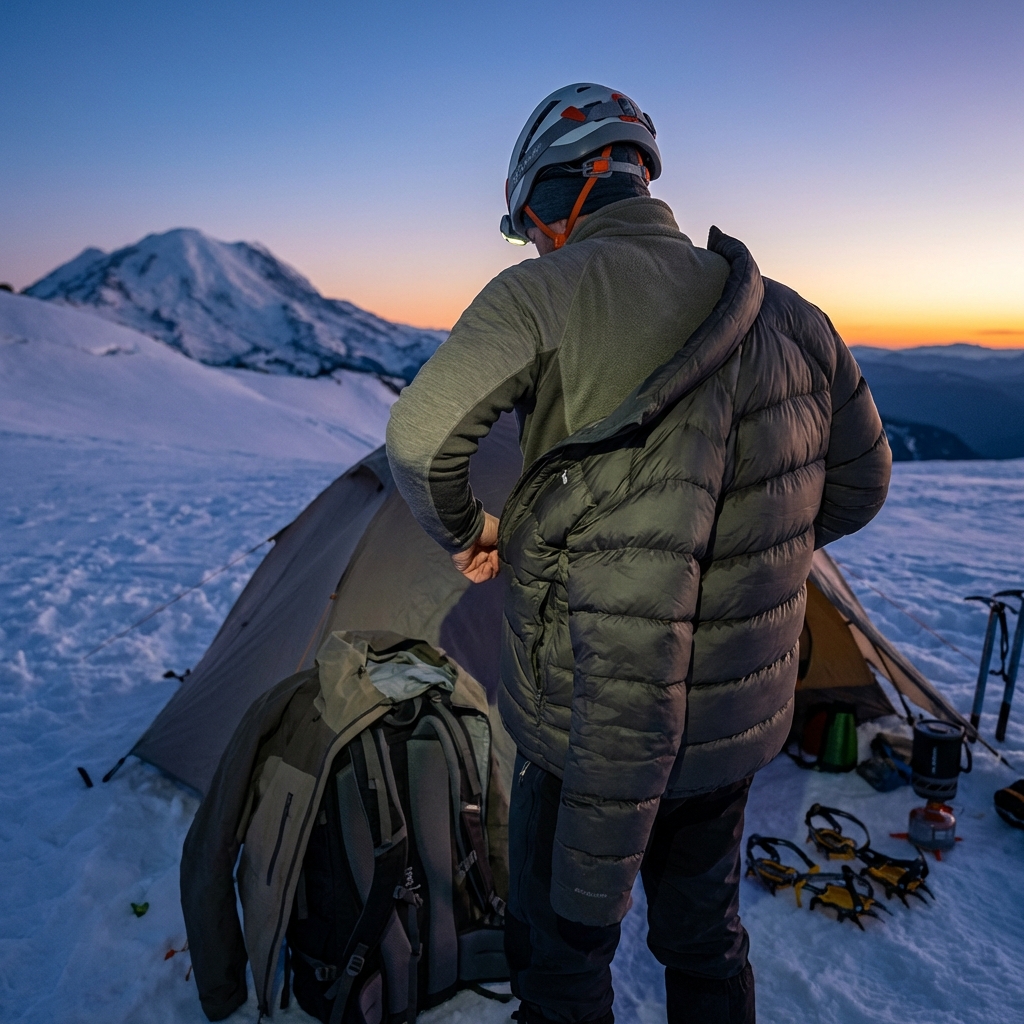
Heat retention and weather protection are related but distinct functions. Insulation retains heat that your body generates. Protection stops external cold, wind, and moisture from stealing that heat. We optimize for both, but in different proportions depending on the piece.
An expedition puffer prioritizes heat retention above all else. We build maximum loft and use baffled constructions to prevent heat loss through the fabric. Weather protection comes through a durable nylon shell and careful seam sealing, but this is supporting rather than primary.
An urban insulated jacket or everyday shell flips the emphasis. We engineer tight weather barriers and water-resistant fabrics as the main defense. Insulation underneath is still substantial, but the outer shell’s performance against rain and wind is equally important for daily use.
This distinction explains why an expedition jacket might feel less weather-resistant than a daily puffer. The expedition piece assumes you’ll wear a separate shell layer; it’s engineered as a mid-layer system. A daily jacket is expected to stand alone more often, so its shell performance is built-in and more prominent.
Understanding this difference prevents the frustration of buying an expedition jacket and expecting it to shed drizzle like a hardshell. Each system delivers what it’s designed for. You get the best results by choosing accordingly.
Our Innovation in Multi-Day Expedition Puffers
Over decades of expedition testing, we’ve refined what works at altitude where the stakes are high. Our latest expedition puffers combine insights from thousands of climbers and mountaineers into fabric choices and construction that minimize failure modes.
We use premium materials throughout: ultralight nylon shells that resist punctures and abrasion, baffle systems that prevent down migration in three dimensions, and hydrophobic down treatments that shed early-stage moisture without dampening insulating performance. Each element serves the non-negotiable requirement of keeping you warm when conditions are unforgiving.
Pocketable hoods, watertight zippers, and reinforced stress points emerge from field feedback. Climbers told us exactly where jackets fail. We engineered solutions. The result is expedition insulation that’s been tested on major peaks globally and trusted by athletes pushing real limits.
Weight optimization is relentless. An ounce saved across a jacket might seem trivial. At 20,000 feet where every step requires enormous effort, that ounce compounds into less fatigue and better decision-making. We obsess over this detail because it matters when conditions turn serious.
Everyday Performance Without the Expedition Price Tag
You don’t need expedition engineering for a weekend ski trip or urban winter commute. We’ve developed insulated pieces optimized for these scenarios that deliver outstanding warmth without the cost premium of expedition-grade systems.
Our everyday puffers use quality synthetic insulation and streamlined construction to hit the performance sweet spot. They shed rain better than expedition pieces (because they’re designed for this), pack smaller (because they don’t need extreme loft), and cost considerably less (because they’re built for higher production volumes and less exotic materials).
Durability still matters at this tier. We engineer reinforced hems, quality zippers, and thoughtful seam placement even in everyday pieces. An insulated jacket that falls apart after two seasons isn’t a bargain. We build everyday insulation to last years of regular use.
Color and style deserve mention too. Urban insulation should look good on the street or the skin, not just perform on the mountain. We invest in modern silhouettes, contemporary colorways, and fits that work for actual people with actual lives beyond the backcountry.
What to do next: Start with an everyday insulated layer if you’re new to technical gear. This builds your understanding of how insulation feels and performs without the investment or complexity of expedition systems. You’ll learn what you actually need.
Finding Your Perfect Insulation Match With Our Collections
Choosing insulation starts with honest assessment of your primary use case. Will you wear this piece daily during winter, or pack it for specific expeditions? Will it see moisture exposure, or stay dry? Are you moving actively, or spending long periods in the cold?
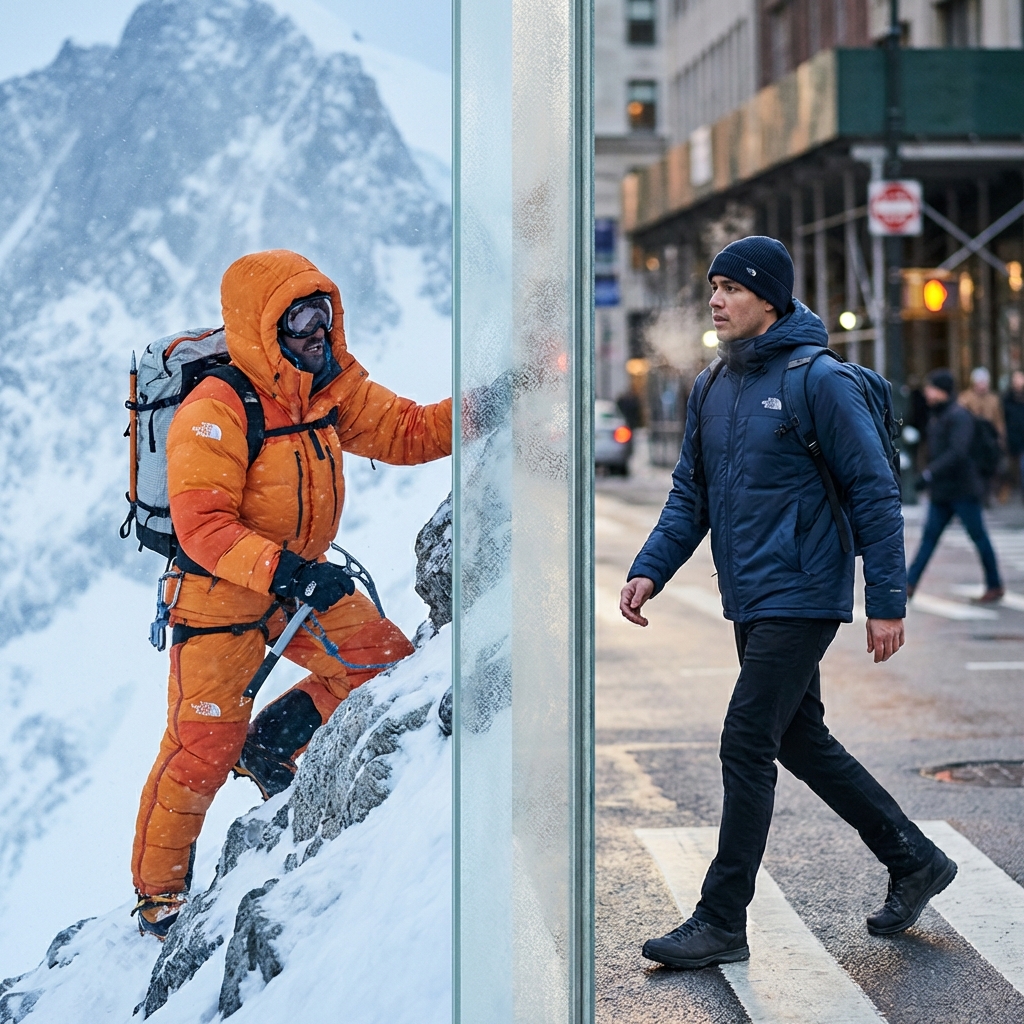
Our collections organize around these realities. Expedition and alpine jackets cluster separately from urban insulation and everyday performance pieces. Within each category, we offer choices based on insulation type (down, synthetic, or hybrid) and temperature rating.
Temperature ratings deserve scrutiny. We specify a comfort range and an extreme range. Comfort range is where you’ll stay warm with normal activity and layering. Extreme range is survivable but not enjoyable—it’s the theoretical minimum. Shop for the comfort range that matches your typical conditions, not the extreme range. An extreme-rated jacket for conditions below your typical range is dead weight.
Fit is deeply personal. We encourage trying pieces on or understanding our sizing thoroughly, since insulation needs space to loft. A jacket that’s too tight won’t insulate effectively. Slightly loose is better than slightly snug for insulated pieces.
Our collections also integrate our XPLR Pass loyalty program, which rewards you for exploration and engagement. Building your insulation system through us means earning rewards on each piece that compound over time.
Our Commitment to Quality Across All Temperature Ranges
We’ve been outfitting adventurers for over fifty years, and this history shapes how we approach insulation. We don’t cut corners on materials or construction regardless of price point, because a failed jacket in extreme cold isn’t a product failure—it’s a safety issue.
Every insulation piece we make goes through rigorous testing in real conditions. We send prototypes to mountaineers, backcountry skiers, and winter athletes working in actual environments. Their feedback shapes final designs. This isn’t marketing language; it’s how we’ve always worked.
We’re equally committed to our sustainability program. Responsible down sourcing, recycled materials where performance allows, and our resale marketplace all reflect our belief that quality gear should have a long life. Building insulation to last, and offering ways to give it new life when your needs change, is core to how we operate.
When you buy insulation from us, you’re investing in gear that’s been earned through decades of real-world use and continuous refinement. We stand behind what we make, and we’re here to help you find the exact piece that fits your winter adventures—whether that’s a commute across town or a summit push at altitude.
What to do next: Browse our collections with your primary use case in mind. Start a conversation with our team if you’re uncertain; we’re happiest when you find exactly what you need.
For further reading: Nuptse jacket.
Ready for your next adventure? Gear up with apparel and equipment built for the wild. Explore the collection now.
Frequently Asked Questions (FAQ)
What’s the difference between down and synthetic insulation, and which should I choose?
We use down insulation for our most demanding expeditions because it offers superior warmth-to-weight ratio and compresses smaller, which matters when every ounce counts on multi-day climbs. Synthetic insulation is what we recommend for your active daily life and wet conditions because it maintains warmth even when damp and requires less maintenance. The choice really comes down to your adventure: if you’re summiting peaks in controlled conditions, down wins. If you’re hiking in variable weather or want something easier to care for, synthetic performs better for you.
How should I layer our insulation pieces for winter activities?
We design our layering system to work with three core components: a moisture-wicking base layer closest to your skin, an insulating mid-layer (either down or synthetic depending on conditions), and a protective outer shell to block wind and weather. Start with the base layer to pull sweat away, add insulation once you’re outside and your body temperature stabilizes, and zip on the shell whenever conditions demand it. You’ll find that our technical pieces work together seamlessly, so you can adjust quickly as your activity level or the weather changes throughout the day.
Do I really need expedition-grade insulation for everyday winter wear?
Not necessarily, and that’s exactly why we’ve developed our everyday collection with the same innovation but in a way that fits your lifestyle and budget. We engineer our daily-wear puffers and jackets with practical insulation that keeps you warm during your commute, weekend hikes, and regular outdoor time without the premium price of expedition-grade gear. Save the high-end down puffers for when you’re planning serious mountain time, and enjoy our accessible technical options for everything else.
Leave a Reply